


Starting a cleaning business is one of the most accessible and profitable service ventures today. Whether your goal is to offer residential cleaning, commercial janitorial services, or specialized cleaning, such as carpets or move-in/move-out work, this industry provides low startup costs and high demand throughout the year. It’s an ideal business for students, beginners, freelancers, or anyone seeking a flexible, scalable service business.
This comprehensive guide covers startup costs, legal requirements, branding essentials, marketing strategies, and growth techniques to help you launch and expand a successful cleaning business.
| Category | Overview |
| cleaning Business | Residential cleaning, commercial janitorial, specialty cleaning (carpets, windows, move-in/out) |
| Startup Costs | Residential: $200–$2,000; Commercial: a few thousand dollars; Specialty: higher investment for machines/tools |
| Licensing Requirements | Basic registration, local business license, tax ID/EIN, insurance (liability, bonding, workers’ comp), additional permits for specialty services |
| Branding | Memorable business name, logo with cleaning elements, business cards, consistent branding across uniforms, flyers, vehicles, and invoices |
| Services Offered | Residential: routine, deep cleaning, Airbnb/short-term rentals; Commercial: offices, stores, schools, clinics; Specialty: carpet, windows, pressure washing, post-construction |
| Pricing Strategies | Hourly, per job, per square foot, or packages; consider supply costs, labor, travel, and competitor pricing |
| Marketing | Online: website, Google Business, social media, digital ads; Offline: flyers, posters, business cards; Referrals & local partnerships |
| Supplies & Equipment | Basic: cloths, brushes, gloves, mops, brooms, vacuum; Chemicals: multipurpose, disinfectants, eco-friendly options; Advanced: carpet extractors, steam cleaners, pressure washers |
| Operations | Cleaning checklists, scheduling tools/software, and employee training |
| Growth Strategies | Service expansion, hiring employees, website & online presence, and franchising opportunities |
Cleaning Business
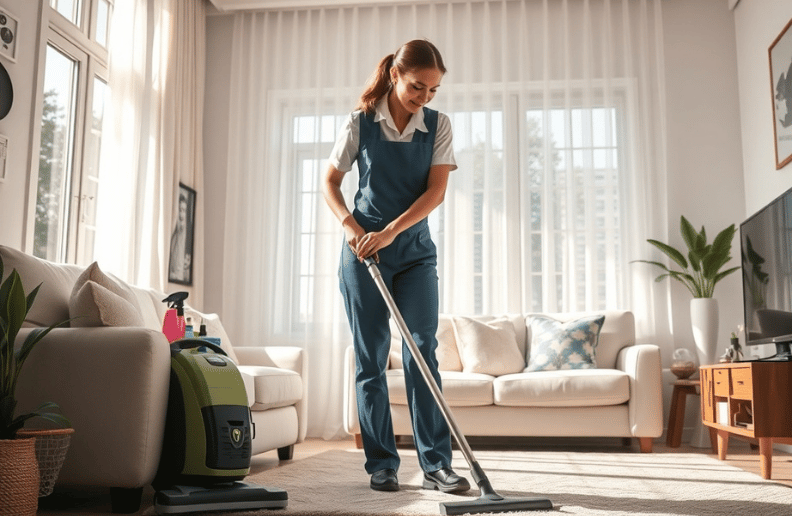
Starting a cleaning business is one of the most accessible and profitable opportunities for aspiring entrepreneurs today. Whether you aim to provide residential cleaning, commercial janitorial services, or specialized cleaning such as carpets or move-in/move-out work, a cleaning business offers low startup costs, high demand, and the potential for recurring income.
With flexible hours, minimal certification requirements, and a wide range of service options, a cleaning business is ideal for students, freelancers, beginners, or anyone seeking a scalable and rewarding service-based venture.
Startup Costs for a Cleaning Business
Startup costs vary depending on whether you launch a residential, commercial, or specialty cleaning service. Most beginner-friendly home cleaning businesses require simple supplies and minimal equipment, making it affordable for new entrepreneurs.
Residential Cleaning Startup Costs
You typically need basic supplies such as cleaning chemicals, microfiber towels, mops, buckets, and an affordable vacuum. Transportation costs mainly involve fuel or vehicle maintenance. Business licenses, insurance, and marketing materials add to the budget, but they remain manageable for anyone starting small. Overall, residential cleaning startups range from a few hundred dollars to under two thousand dollars.
Commercial Cleaning or Janitorial Startup Costs
Commercial cleaning requires stronger equipment, such as industrial vacuums, floor scrubbers, and larger chemical supplies. You may also need safety gear, storage for equipment, or a van for transportation. Licensing and insurance costs may be higher, especially when targeting corporate clients. These setups typically require a few thousand dollars and are ideal for businesses planning to scale.
Specialty Cleaning Startup Costs
Specialty niches such as carpet cleaning, window cleaning, or pressure washing may require additional machines or tools. Carpet extractors, steam cleaners, pressure washers, or professional squeegee systems add to the investment, but they allow higher pricing and long-term profitability. These niches are great for those wanting to stand out from standard home cleaning.
Licensing Requirements for Cleaning Businesses
- Legal requirements vary by location, but most cleaning businesses need basic registration, local permits, and insurance.
- Proper licensing builds client trust and protects you from legal or financial issues.
Basic Business Registration
- Choose a business structure based on your goals:
- Sole proprietorship (simple and low-cost)
- Partnership (for multiple owners)
- LLC (protects personal assets)
- Corporate structures may be used for larger cleaning companies, but are not required for beginners.
Local Business License
- Most cities or municipalities require a business license or service permit.
- Zoning approval may be needed if operating from home.
- Required before working with many commercial clients.
Tax Identification Number
- Cleaning businesses often need a tax ID or Employer Identification Number (EIN).
- Necessary for:
- Hiring staff
- Opening a business bank account
- Managing finances professionally
Insurance for Cleaning Businesses
- Essential for protection against accidents or property damage.
- Important types include:
- General liability insurance
- Bonding or surety bonds
- Workers’ compensation (if hiring employees)
- Insurance increases credibility and client trust.
Additional Permits
- Specialty cleaning services may require:
- Chemical-handling permits
- Environmental compliance permits
- Wastewater disposal permissions (e.g., for carpet cleaning)
- Always confirm your region’s regulations before offering specialized services.
Branding Ideas to Build a Strong Business Identity
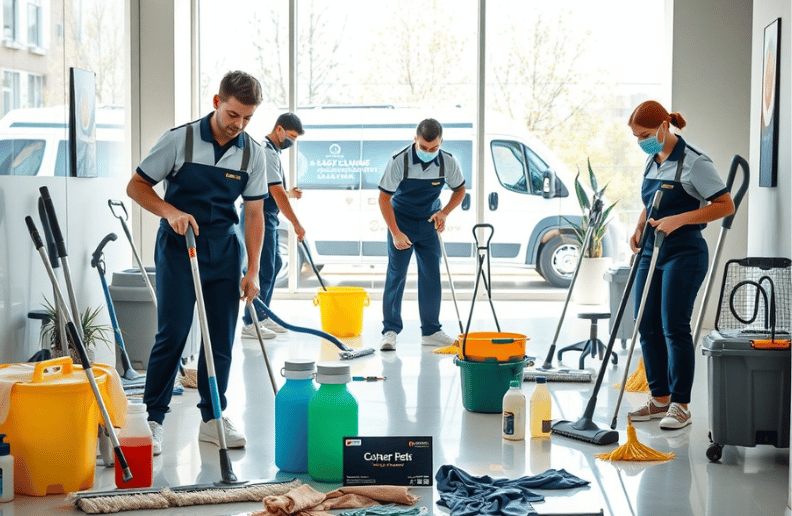
Branding is essential for any cleaning business because it helps attract clients, build trust, and stand out from competitors. A strong brand starts with choosing a simple and memorable business name that reflects cleanliness, freshness, and your service style.
Your cleaning business logo should use elements like sparkles, bubbles, mops, or leaves and feature clean colors such as blue, green, or white for a professional look. High-quality business cards also support your branding, including your logo, services, contact details, website, social links, and a QR code for easy booking.
Consistent branding across uniforms, flyers, vehicle decals, branded invoices, and digital templates helps your cleaning business appear reliable, professional, and recognizable, encouraging referrals and long-term customer loyalty.
Cleaning Services You Can Offer
- Offering different types of cleaning services helps you attract more clients and increase income.
- Most cleaning businesses start with basic residential cleaning and later expand into commercial or specialty niches.
Residential Cleaning Services
- Routine home cleaning
- Deep cleaning
- Kitchen and bathroom sanitation
- Vacuuming, dusting, and mopping
- Move-in and move-out cleaning
- Airbnb and short-term rental cleaning
- Holiday home cleaning services
Commercial Cleaning Services
- Office cleaning
- Restaurant cleaning
- Retail store cleaning
- School and daycare cleaning
- Clinic and medical facility cleaning
- Nighttime or after-hours cleaning
- Long-term commercial janitorial contracts
Specialty Cleaning Services
- Carpet and upholstery cleaning
- Window cleaning
- Pressure washing
- Post-construction cleanup
- Industrial janitorial services
- Floor stripping and waxing
- Steam cleaning and sanitization services
Pricing Strategies
Setting the right price ensures you cover expenses while earning a profit. Pricing depends on the location, property size, service type, and frequency of visits.
Common Pricing Approaches
Cleaning rates can be hourly, flat per job, per square foot, or offered in packages. Many cleaning companies provide tiered plans, such as basic, standard, and premium packages. Frequent clients may receive discounts or loyalty rewards.
Tips for Effective Pricing
Consider supply costs, driving time, and labor hours. Review competitor pricing in your area to stay competitive. Don’t underprice your services—cleaning has high labor value, and clients pay for quality, trust, and convenience.
Marketing Strategies to Grow Your Cleaning Business

Marketing helps you attract your first clients and continue expanding. A mix of digital and offline marketing works best for cleaning businesses.
Online Marketing Techniques
A simple website improves credibility and allows clients to book services online. Creating a Google Business listing helps you appear in local searches. Social media platforms like Facebook, Instagram, and TikTok are great for posting cleaning tips, before-and-after photos, and customer reviews. Digital ads can also generate fast leads.
Offline Marketing Methods
Flyers, posters, and business cards remain effective in local markets. Partnering with real estate agents, Airbnb hosts, and property managers can bring in steady work. Vehicle decals turn your car into a moving advertisement.
Referral and Word-of-Mouth Marketing
Clients trust recommendations from family and friends. Offer referral rewards, collect testimonials, and exceed expectations with every service to build a strong word-of-mouth reputation.
Local Partnerships
Partnering with businesses such as event planners, interior designers, construction companies, or office managers can bring consistent cleaning contracts. Collaboration helps your business grow without heavy advertising costs.
Essential Supplies and Equipment
A cleaning business relies on a mix of essential supplies and equipment to deliver professional results, starting with basic tools like microfiber cloths, brushes, gloves, masks, spray bottles, mops, brooms, and vacuum cleaners, which are affordable and used in almost every job.
Cleaning chemicals also play an important role and typically include multipurpose cleaners, disinfectants, degreasers, bathroom descalers, glass cleaners, and floor-care products, with many businesses now offering eco-friendly or green cleaning alternatives for environmentally conscious clients.
For more advanced or specialized services, equipment such as carpet extractors, steam cleaners, pressure washers, and window-cleaning poles can significantly enhance service quality, allow higher pricing, and attract commercial or niche clients looking for professional-grade cleaning solutions.
Operational Tips for Smooth Business Management
Organized operations help cleaning businesses deliver consistent results and reduce mistakes.
Cleaning Checklists
Using checklists for different rooms or locations ensures nothing is missed during cleaning. Clients appreciate thorough services, and checklists help maintain quality even when hiring employees.
Scheduling Tools
Digital scheduling software helps manage appointments, reminders, and invoices. Tools such as Jobber, Housecall Pro, and Google Calendar improve efficiency and prevent double bookings.
Employee Training
If you hire staff, train them on cleaning techniques, safety practices, time management, and client communication. Consistency in cleaning style is important for maintaining your brand’s quality.
Growth Tips for Expanding Your Cleaning Business
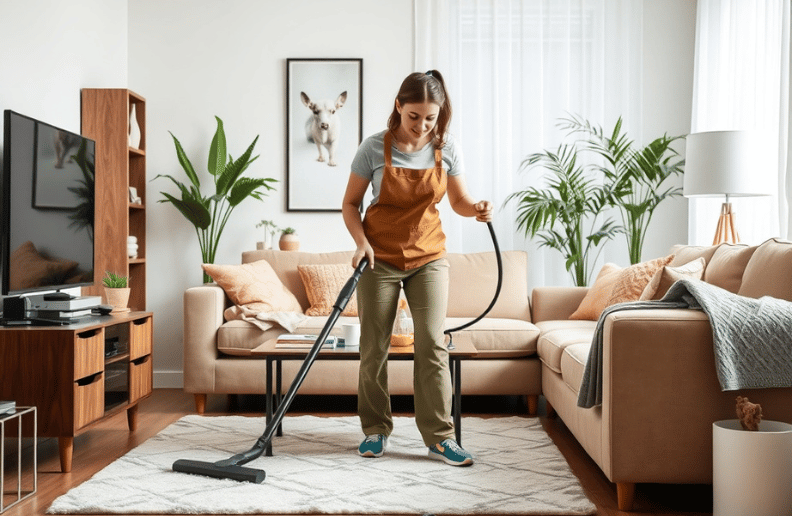
- Focus on scaling your cleaning business once you have a stable client base, using service expansion, hiring, and improved marketing.
Service Expansion
- Add services like carpet cleaning, window washing, pressure washing, or commercial cleaning.
- Reach new markets and charge higher rates.
- Offer service packages such as weekly or monthly plans for recurring income.
Hiring Employees
- Hire staff to take on more clients and increase revenue.
- Maintain service quality with clear standards and uniform training.
Business Website and Online Presence
- Build a professional website to make booking easy for clients.
- Include a price list, gallery, testimonials, and online booking options.
- Strengthen credibility through a consistent online presence.
Franchising Opportunities
- Join an established cleaning franchise for faster growth and support.
- Or expand your own brand and franchise it later.
- Franchising can accelerate growth with proper planning.
Conclusion
Starting a cleaning business is one of the most practical and rewarding paths for new entrepreneurs. With low startup costs, flexible scheduling, and steady demand, it offers long-term growth opportunities for beginners and professionals alike.
By planning carefully, securing the proper licenses, building a strong brand, and using effective marketing strategies, you can create a reliable stream of clients and consistent income. With quality service, professionalism, and continuous improvement, your cleaning business can expand from a simple startup into a trusted, highly profitable company with loyal customers and long-term contracts.
Want to know about Your Complete Guide to Holland and Barrett Jobs: Career Options, Salary Insights, Employee Benefits, Training Programs, and Advancement Opportunities Check out our Business category.
FAQs
Absolutely, a business cleaning service may be a profitable venture when approached wisely and professionally.
The 20-minute rule is a cleaning approach where you set aside just 20 minutes a day to clue .
Shared by Holly Blakey of the @breathing. Room. At home, the 1% rule entails doing just one simple thing to make your house better.

