
Choosing the best bread for weight loss goes beyond simply picking a loaf labeled “healthy” or “whole wheat.” The ideal bread combines nutrient density, fiber content, and minimal processing to support both satiety and metabolic health. Whole-grain options, such as sprouted-grain, rye, or multigrain breads, are rich in complex carbohydrates that release energy slowly, preventing rapid spikes in blood glucose and reducing hunger between meals.
Fiber plays a crucial role by keeping the digestive system healthy and promoting a sense of fullness, while bread with added seeds, legumes, or protein content further enhances satiety and helps preserve lean muscle during calorie restriction. Additionally, fermented breads, such as sourdough, offer digestive benefits and a lower glycemic index, making them particularly suitable for weight-conscious individuals.
| Aspect | What to Look For | Benefit for Weight Loss |
| Whole Grains | Listed as the first ingredient (e.g., whole wheat, oats, barley) | Provides fiber, vitamins, and minerals; supports fullness and steady energy |
| Fiber Content | At least 3–5g per slice | Slows digestion, promotes satiety, stabilizes blood sugar, supports gut health |
| Protein Content | Moderate (3–5g per slice) | Preserves lean muscle, reduces cravings, and increases fullness |
| Added Sugar | Minimal or none | Prevents blood sugar spikes and extra calorie intake |
| Ingredient List | Short and recognizable | Indicates fewer processed additives and preservatives, better overall nutrition |
| Bread Type | Whole wheat, multigrain, sprouted grain, sourdough, rye, low-carb | Supports digestion, appetite control, and sustained energy release |
| Pairing Strategy | Combine with protein and healthy fats | Slows carbohydrate digestion, enhances satiety, and reduces overall calorie intake |
| Portion & Timing | Stick to serving sizes; eat earlier in the day | Helps the body use carbohydrates efficiently and prevents overeating |
Best Bread for Weight Loss

The best bread for weight loss is one that provides sustained energy, promotes fullness, and supports overall metabolic health. Unlike refined white bread, which is quickly digested and can lead to blood sugar spikes, whole-grain and minimally processed breads digest slowly, keeping you satisfied for longer and helping prevent overeating. Key options include whole-wheat, multigrain, sprouted-grain, rye, and whole-grain sourdough breads.
These breads are rich in fiber, which aids digestion, helps stabilize blood sugar, and promotes satiety, while also providing essential vitamins, minerals, and antioxidants. Many of these breads also contain moderate amounts of protein, either naturally from grains or from added seeds and legumes, which further enhance satiety and help preserve lean muscle mass during weight loss.
Specialty breads made with alternative flours such as almond, flaxseed, or psyllium husk are particularly beneficial for reducing digestible carbohydrates and controlling calorie intake. For maximum effectiveness, healthy breads should be consumed mindfully, paired with protein and healthy fats to slow digestion, and eaten in controlled portions.
Understanding the Role of Bread in Weight Loss
- Primary Fuel Source: Bread provides carbohydrates, which are the body’s main energy source for brain function, physical activity, and metabolism.
- Refined Bread Issues: Highly refined breads low in fiber cause rapid blood sugar spikes, leading to hunger, cravings, and potential overeating.
- Slow Digestion: Whole and minimally processed breads digest gradually, providing steady energy and prolonged satiety.
- Appetite Regulation: Slower digestion helps control hunger, reducing the likelihood of snacking or overeating.
- Weight Management Support: Choosing high-fiber, minimally processed breads aids in maintaining a healthy body weight.
Why Some Breads Cause Weight Gain?

Refined breads are typically produced using white flour that has undergone heavy processing, removing most of the natural fiber, essential vitamins, and minerals found in whole grains. This refining process leaves behind a product that is high in rapidly digestible carbohydrates, causing a sharp rise in blood sugar levels shortly after consumption.
In response, the body releases a surge of insulin to manage this spike, and frequent insulin surges can promote fat storage, particularly around the abdomen. Because refined breads lack fiber and protein, they move quickly through the digestive system and fail to provide lasting satiety, leading to increased hunger and frequent snacking.
What Makes a Bread Good for Weight Loss?
- Rich in dietary fiber, which slows digestion, improves satiety, and helps control appetite
- Made from whole grains that retain natural nutrients such as B vitamins, iron, and magnesium to support metabolism
- Low in added sugars, reducing blood sugar spikes and unnecessary calorie intake
- Provide a moderate amount of protein, helping maintain muscle mass and prolong feelings of fullness
- Support steady energy release throughout the day without sudden crashes
- Promote better digestion and gut health due to higher fiber content
- Help prevent overeating by keeping you satisfied for longer periods
- Offer a balanced nutritional profile that aids weight loss without compromising overall health
Importance of Fiber in Weight Loss Bread

Fiber plays a major role in appetite control and overall weight management by directly influencing how quickly food is digested and absorbed. High-fiber bread moves more slowly through the digestive system, which delays hunger signals and helps you stay full for longer periods, reducing the likelihood of frequent snacking or overeating.
Fiber also supports gut health by feeding beneficial bacteria, which can improve digestion and enhance metabolic efficiency. In addition, it helps stabilize blood sugar levels by slowing the release of glucose into the bloodstream, preventing sharp insulin spikes that can lead to fat storage and cravings.
Protein Content and Satiety
| Aspect | Role of Protein in Weight Loss | How Protein-Rich Bread Helps |
| Feeling of Fullness | Protein slows digestion and increases satiety hormones, helping control appetite | Keeps you full for longer, reducing cravings and unnecessary snacking |
| Muscle Preservation | Supports maintenance of lean muscle mass during calorie restriction | Helps prevent muscle loss while promoting healthy fat loss |
| Calorie Control | Reduces overall hunger, leading to lower daily calorie intake | Encourages smaller portions and fewer meals between main meals |
| Natural Protein Sources | Seeds, whole grains, and legumes add plant-based protein | Increases nutritional value without adding empty calories |
| Meal Balance | Works best when paired with protein-rich toppings | Creates a satisfying, balanced meal that supports weight loss goals |
Whole Wheat Bread for Weight Loss
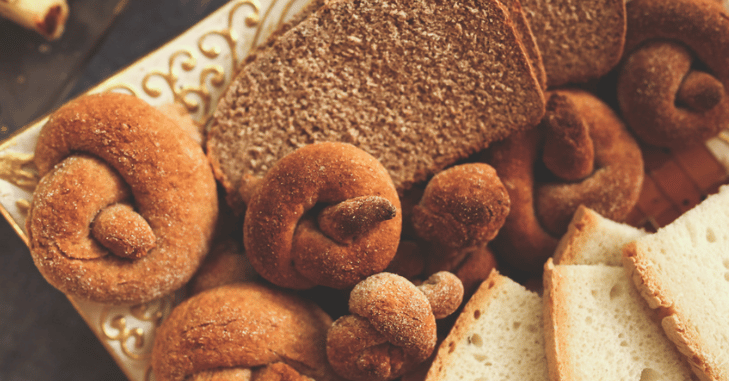
- Contains the entire wheat kernel, including the bran, germ, and endosperm, which preserves essential nutrients
- Rich in dietary fiber that improves digestion and helps you feel full for longer periods
- Provides B vitamins and minerals that support metabolism and overall energy production
- Helps reduce hunger and control appetite, making it easier to manage calorie intake
- Releases energy slowly, preventing blood sugar spikes and crashes
- Easily available and affordable, making it practical for everyday weight-loss diets
- Ideal for daily consumption when eaten in moderate portions and paired with healthy toppings
Multigrain Bread and Nutritional Diversity
Multigrain bread includes a blend of grains such as oats, barley, and rye, which together provide a broader spectrum of vitamins, minerals, and antioxidants. When these grains are used in their whole form, they retain their natural fiber and nutrient content, supporting better digestion and overall metabolic health.
Improved Satiety and Fullness
The combination of different whole grains increases fiber complexity, which slows digestion and helps you feel full for longer periods. This enhanced satiety can reduce unnecessary snacking and support consistent calorie control during weight loss.
Importance of Whole Grains Over Refined
Not all multigrain breads are equally healthy. To gain true weight-loss benefits, it is essential to choose options where the listed grains are whole rather than refined. Refined grains lack fiber and can reduce the bread’s effectiveness in appetite management and blood sugar control.
Sprouted Grain Bread and Metabolic Benefits
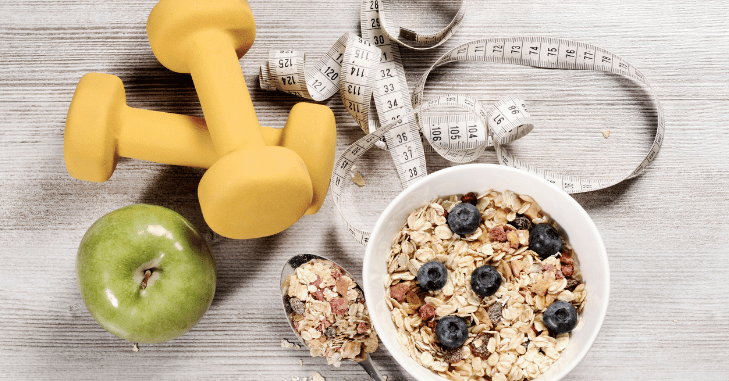
- Made from grains that have started to germinate, which improves overall nutrient absorption
- Germination increases the availability of vitamins, minerals, and antioxidants
- Lower levels of anti-nutrients make digestion easier and more efficient
- Typically higher in fiber, helping promote fullness and appetite control
- Contains more protein compared to regular bread, supporting muscle maintenance during weight loss
- Has a lower glycemic impact, helping stabilize blood sugar levels
- Reduces sudden hunger spikes and cravings
- Supports steady energy release, making it ideal for weight-loss-focused diets
Sourdough Bread and Digestive Health
Fermentation Benefits
- Sourdough bread undergoes natural fermentation, which improves digestion and nutrient absorption.
- The fermentation process breaks down some of the starches and proteins, making them easier for the body to process.
Glycemic Control
- Natural fermentation lowers the glycemic index of sourdough bread, reducing blood sugar spikes.
- This helps maintain steady energy levels and prevents insulin-driven fat storage.
Appetite and Satiety
- Whole-grain sourdough provides fiber that promotes fullness, helping control appetite and reduce overeating.
- The fermentation process also supports gut health by encouraging beneficial bacteria, which play a key role in overall metabolism and weight management.
Rye Bread and Blood Sugar Regulation

Rye bread digests more slowly than wheat bread due to its higher fiber content and denser structure, resulting in a lower glycemic response and more gradual release of glucose into the bloodstream. This slower digestion helps prevent insulin spikes, which can contribute to fat storage, and keeps hunger at bay for longer periods.
Dark, dense rye breads are particularly effective for promoting satiety, reducing overall calorie intake, and supporting long-term weight management. Additionally, rye contains unique compounds called lignans and phenolic acids, which may improve gut health and support metabolic function, further enhancing its benefits for individuals focused on weight loss.
Low-Carb and High-Fiber Bread Options
- Some breads are specially formulated for weight loss and blood sugar management.
- Often made with alternative flours such as almond flour, flaxseed meal, or psyllium husk.
- High in fiber, which slows digestion and promotes a lasting feeling of fullness.
- Lower in digestible carbohydrates, helping to prevent blood sugar spikes and reduce calorie intake.
- Can be paired with protein-rich toppings to further support satiety and weight management.
- Suitable for low-carb or keto-inspired diets while still providing a bread option.
How to Eat Bread Without Gaining Weight?

| Strategy | Tips & Benefits |
| Pair with Protein & Fats | Combine bread with eggs, nut butter, or avocado to slow digestion and stay full longer |
| Timing | Eat bread earlier in the day to allow carbohydrates to be used for energy efficiently |
| Portion Control | Stick to recommended serving sizes to avoid excess calorie intake |
| Mindful Eating | Focus on each bite and avoid eating bread while distracted to prevent overeating |
Bread and Blood Sugar Balance
- Stable Blood Sugar: Whole-grain and fermented breads help keep glucose levels steady, preventing spikes and crashes.
- Reduced Cravings: Maintaining stable blood sugar lowers the likelihood of sudden hunger or sugar cravings.
- Consistent Energy: Steady glucose levels provide sustained energy throughout the day, supporting workouts and daily activities.
- Calorie Control: Stable blood sugar helps manage overall calorie intake by preventing overeating.
- Emotional Eating Prevention: Reduces the tendency to eat in response to stress or mood swings.
Common Mistakes When Choosing Weight Loss Bread

- Labels like “brown bread” or “wheat bread” can be misleading and do not always mean whole grain
- Color alone is not an indicator of nutritional quality
- Many breads labeled as healthy may still be made with refined flour
- Failing to check the ingredient list can lead to unintended calorie intake
- Ignoring fiber content reduces the bread’s ability to keep you full
- High added sugar levels can spike blood sugar and increase cravings
- Overlooking portion size can also slow weight loss progress
- Choosing bread based on marketing rather than nutrition facts can undermine weight loss goals
Reading Labels for Smart Bread Choices

| Criteria | What to Look For | Benefit |
| Whole Grains | Listed as the first ingredient (e.g., whole wheat, oats, barley) | Provides fiber, vitamins, and minerals; supports fullness |
| Added Sugar | Minimal or none | Reduces blood sugar spikes and extra calories |
| Ingredient List | Short and recognizable | Indicates fewer processed additives and preservatives |
| Fiber Content | At least 3–5g per slice | Promotes satiety and aids digestion |
| Protein Content | Moderate (3–5g per slice) | Supports muscle maintenance and increases fullness |
Conclusion
Choosing the best bread for weight loss is about prioritizing quality over marketing claims. Whole-grain, minimally processed breads such as whole wheat, multigrain, sprouted-grain, sourdough, and rye provide sustained energy, support satiety, and promote stable blood sugar levels.
Incorporating breads that are high in fiber and moderate in protein not only helps control appetite but also preserves lean muscle during calorie restriction, which is critical for healthy weight loss. Specialty options made from alternative flours, such as almond, flaxseed, or psyllium, further reduce digestible carbohydrates and support metabolic health.
Want to know about Mexican Starters for Food Lovers: Spicy, Cheesy, and Crunchy Recipes That Bring the Taste of Mexico to Your Kitchen Check out our Food category.
FAQs
White Bread vs. Whole Grain: Your best options for losing weight are whole-wheat and whole-grain breads.
Unlike natural fiber foods like fruits, vegetables, or beans, all bread, including whole-grain bread, is processed. This implies that you should only have 25% of your plate made up of bread. We advise limiting your daily intake to one slice.
High-fiber, sourdough, and whole-grain breads are increasingly popular as consumers learn more about the connection between bread and digestion.
Although some people may experience digestive problems due to the high fiber content of sourdough bread, there are no particular ingredients that are known to cause bloating or gas.