Drain Inspection
In today’s fast-paced urban living, drain inspection is no longer a luxury—it’s a necessity. Modern properties, whether residential or commercial, rely on complex plumbing systems that quietly manage wastewater and protect structural integrity. When a problem arises—such as slow drainage, foul odors, or hidden leaks—it often signals issues that could have been detected much earlier through routine inspections.
With advanced tools and methods now available, homeowners and property managers can identify drain problems before they escalate into costly disasters. This article examines the science of drain inspection, the technology behind it, expert techniques, and how regular inspections can save thousands in repairs while maintaining the health of your plumbing system.
Key Tools and Methods for Modern Drain Inspection
| Tool/Method | Best For | Key Benefit | Limitation |
| CCTV Drain Cameras | Homes & businesses | Clear visuals of blockages/damage | Less effective in flooded pipes |
| Sonar Inspection | Large/industrial pipelines | Maps pipes without draining | Needs specialized equipment |
| Drain Locators/Tracers | Hidden or complex pipe networks | Finds pipe routes, avoids excavation | May miss small cracks |
| Smoke Testing | Hidden leaks in walls/foundations | Quick, low-cost leak detection | Doesn’t show pipe condition |
| Hydrostatic Pressure | High-value or critical pipe systems | Detects even tiny leaks | Time-consuming |
Understanding Drain Inspection: The Basics
At its core, drain inspection involves a systematic evaluation of drainage pipelines to detect blockages, leaks, structural defects, or potential hazards. Traditionally, plumbers relied on guesswork and trial and error. Today, technology allows us to see inside the pipes literally.
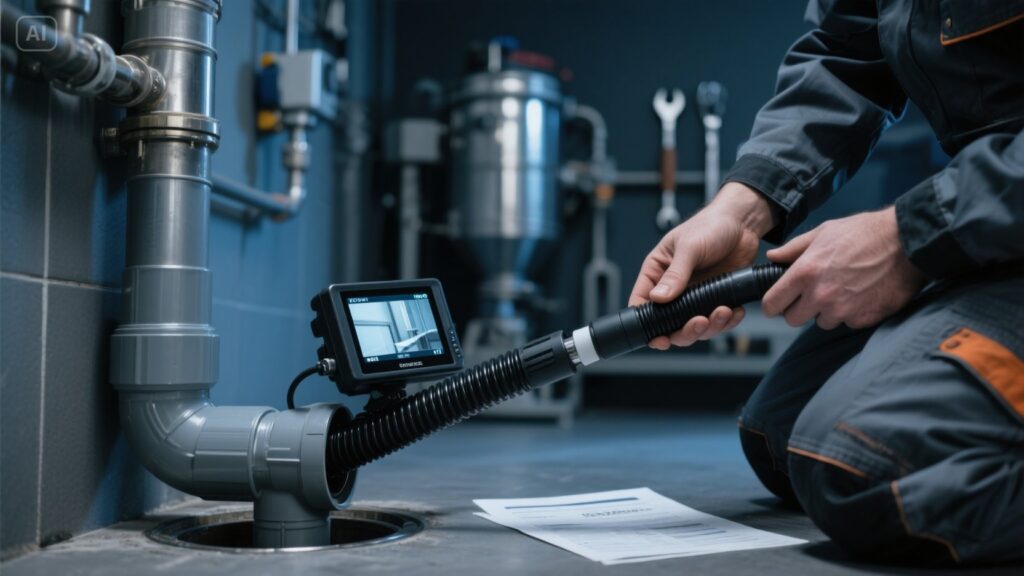
Modern drain inspections answer critical questions such as:
- Is the drain partially or fully blocked?
- Are tree roots or debris affecting the pipes?
- Is there pipe corrosion or structural damage?
- Is water flow working as designed?
By addressing these questions early, property owners avoid emergency breakdowns that can disrupt daily life or business operations.
Common Problems Revealed by Drain Inspections
Inspections often reveal problems that are hidden from the naked eye. Some of the most frequent include:
- Tree Root Intrusion – Roots naturally seek water sources and often penetrate through tiny cracks in pipes.
- Collapsed or Cracked Pipes – Often caused by ground movement, heavy loads, or aging infrastructure.
- Blockages from Fat, Oil, and Grease (FOG) – Especially common in kitchens, restaurants, and commercial kitchens.
- Scale and Mineral Deposits – Hard water leaves behind calcium buildup that narrows pipe diameters, causing clogs.
- Poor Installation or Pipe Misalignment – Older buildings sometimes have outdated or poorly laid drainage systems.
Without inspection, these problems fester until they demand expensive excavation or pipe replacement.
Modern Tools for Drain Inspection
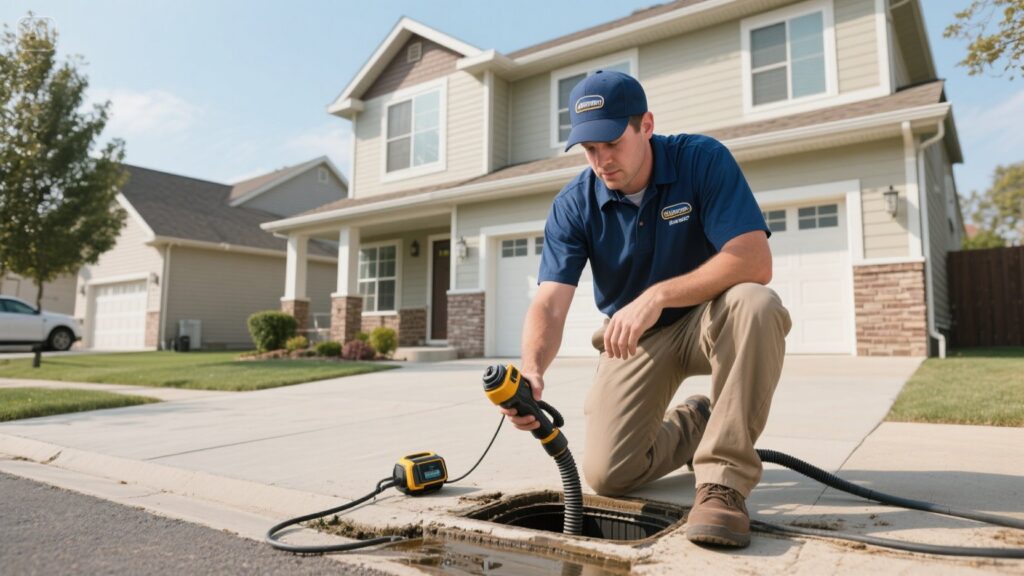
The days of poking rods into drains are long gone. Today, inspection relies on cutting-edge diagnostic technology.
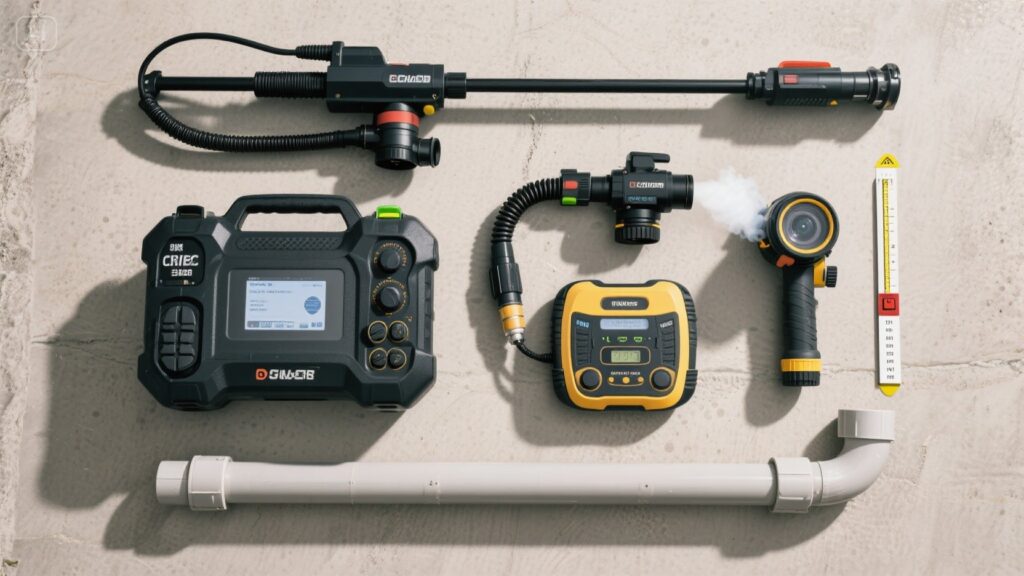
1. CCTV Drain Cameras
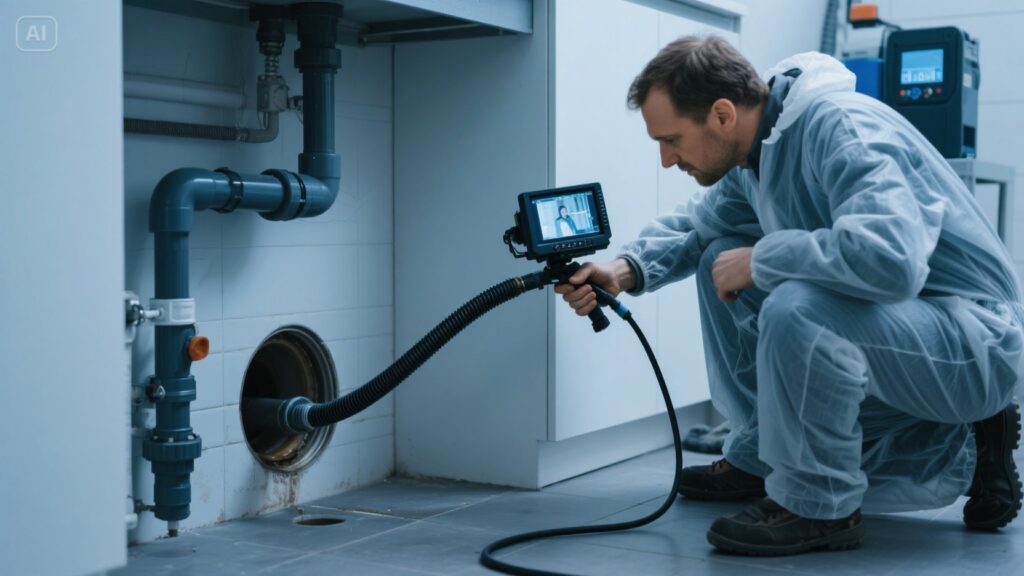
Closed-circuit television (CCTV) drain surveys are the gold standard for drain surveys. A flexible cable with a high-resolution camera is fed into the drain, transmitting real-time images. Technicians can see inside pipes, identify obstructions, and even record footage for analysis.
2. Sonar and Acoustic Tools
In larger or filled pipelines where cameras cannot be used, sonar technology maps the interior by sending sound waves. This reveals blockages, debris buildup, or voids in the pipeline walls.
3. Drain Locators and Tracers
These tools use radio transmitters to trace the exact path and depth of underground pipes. They’re essential for mapping hidden drainage systems in modern complexes.
4. Smoke Testing
Non-toxic smoke is pushed through the drainage system. Where smoke escapes, there’s usually a crack, leak, or faulty joint. This is especially useful in detecting hidden leaks inside walls.
5. Hydrostatic Pressure Testing
By temporarily sealing a section of pipe and filling it with water, inspectors measure whether pressure holds. A pressure drop indicates the presence of leaks or cracks.
Comparison of Common Drain Inspection Tools
| Tool/Method | Primary Use | Best For | Limitations |
| CCTV Drain Cameras | Real-time visuals of inside drains | Residential & commercial pipes | Less effective in flooded drains |
| Sonar Inspection | Mapping blocked or filled pipelines | Large or industrial pipelines | Requires specialized equipment |
| Drain Locators/Tracers | Mapping pipe routes & depths | Hidden or complex underground systems | May not detect small cracks |
| Smoke Testing | Identifying leaks and faulty joints | Hidden leaks, property interiors | Cannot show structural condition |
| Hydrostatic Pressure Tests | Leak detection through pressure measurement | Testing the water tightness of pipes | Time-consuming, requires sealing |
Methods of Drain Inspection in Modern Properties
Different properties require different approaches. Inspection methods are tailored to suit the pipe type, size, and environment.
Residential Properties
- Routine CCTV Inspections every 1–2 years to check for blockages.
- Smoke Testing for old homes where underground leaks may cause foundation issues.
- Hydrostatic Testing in high-value properties to ensure structural safety.
Commercial Buildings
- Regular Sonar Mapping for large pipelines used in shopping centers or hospitals.
- Grease Trap Monitoring in Restaurants Where FOG is a Constant Threat.
- Scheduled Camera Inspections as part of compliance with local building codes.
Industrial Settings
- Heavy-Duty Camera Systems capable of navigating wide pipelines.
- Acoustic Tools for pipes carrying liquids other than water (chemicals, oils).
- Tracer Systems for mapping complex underground drainage networks.
Expert Insights: How Professionals Approach Drain Inspection
Plumbing experts emphasize that drain inspection should be seen as a preventive measure rather than a reactive one. Unfortunately, many property owners only seek help after visible problems appear, such as slow drainage or foul odors, but by then the damage may already be significant. Professionals strongly recommend regular inspections to maintain system health and avoid costly emergencies.
Best practices include conducting baseline surveys in new properties to create an initial drainage map for easier future maintenance, preparing detailed condition reports with video evidence and repair recommendations, and using predictive maintenance to forecast when pipes are likely to fail.
Benefits of Regular Drain Inspections
Routine inspections aren’t just about fixing blockages; they provide long-term advantages:
- Cost Savings – Early detection prevents major repairs.
- Health Protection – Prevents exposure to sewage leaks and mold.
- Environmental Impact – Reduces water wastage and prevents contamination.
- Property Value – Clean, well-maintained drains increase resale value.
- Insurance Benefits – Some insurers may require inspections or offer reduced premiums for properties that are compliant.
Case Study: Residential vs. Commercial Drain Inspections
Residential Example
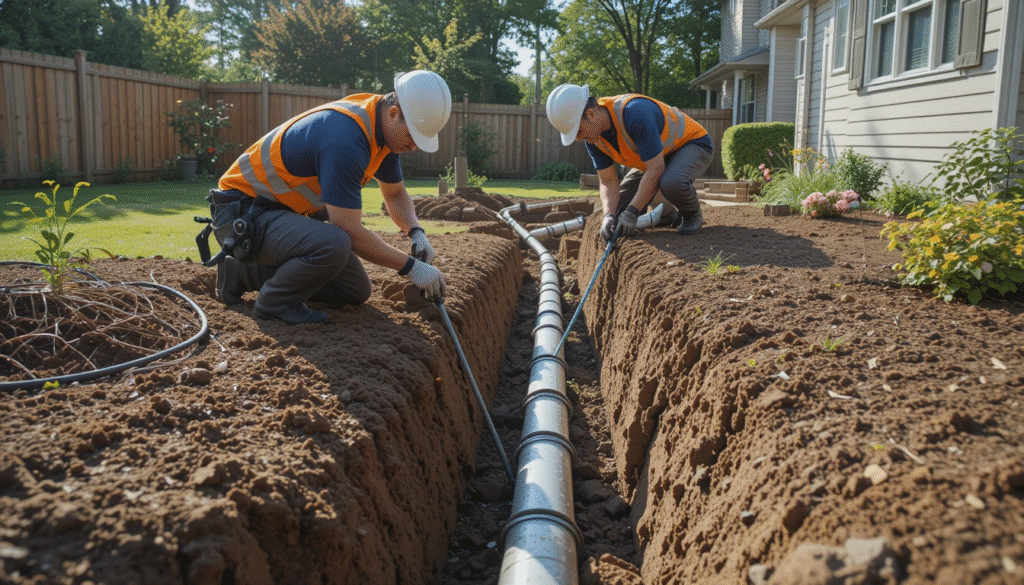
A family living in a suburban home experienced repeated drain blockages that initially seemed minor. When they finally scheduled a CCTV survey, the inspection revealed that tree roots had intruded into their underground pipes. Because the problem was detected early, technicians were able to use trenchless pipe lining instead of resorting to full-scale excavation.
Commercial Example
A popular restaurant chain implemented quarterly drain inspections as part of its maintenance routine. During one inspection, technicians discovered significant grease buildup forming inside the pipes. Left unchecked, this could have led to a complete shutdown of drainage—potentially forcing temporary closures and triggering health code violations.
The Core Lesson
These contrasting examples highlight how inspection frequency and scope differ between residential and commercial properties, yet the underlying principle remains consistent: proactive care prevents emergencies.

How Often Should You Schedule a Drain Inspection?
The recommended frequency of drain inspections depends primarily on usage, property type, and location. For residential homes, inspections should generally be carried out every 18 to 24 months, or more frequently if early warning signs, such as slow drainage or foul odors, appear.
Commercial kitchens, on the other hand, require far more frequent checks—typically every 3 to 6 months—because of the high output of fats, oils, and grease that can quickly clog pipes. In industrial sites, annual inspections are usually sufficient, although additional checks are advised after periods of heavy usage or following system upgrades.
Emerging Trends in Drain Inspection Technology
AI and robotics are shaping the future of drain inspection.
- AI-Powered Analytics: Cameras linked to software that automatically detects cracks, corrosion, or blockages.
- Robotic Crawlers: Miniature robots that can travel deep into complex pipe networks.
- Drones for External Systems: In larger industrial settings, drones may soon be used to monitor drainage infrastructure.
- Smart Sensors: Permanent sensors embedded in pipelines to provide continuous monitoring.
These innovations mean that in the coming years, inspections may be less invasive, faster, and more affordable.
Conclusion
Drain inspection has evolved from a reactive chore into a proactive strategy for property health. With advanced tools like CCTV cameras, sonar mapping, and smoke testing, hidden issues can be detected early and addressed before they escalate.
For modern properties, the key is regular, technology-driven inspections guided by professional expertise. This not only ensures uninterrupted drainage performance but also saves money, protects health, and supports sustainability. In short, drain inspection is an investment, not an expense—a shield that keeps your property safe, efficient, and future-ready.
If you want to read an interesting article about it, explore our “Home Improvement” category.
FAQs
Inspections can reveal tree root intrusion, pipe cracks, grease buildup, mineral deposits, leaks, and poor installations—issues that are often hidden until they cause severe damage.
No. Experts stress that inspection should be preventive, not reactive. Routine checks catch problems early, saving time, money, and stress.
Costs vary depending on property size and method; however, routine inspections are significantly cheaper than emergency excavation or complete pipe replacement.
Yes. A well-documented inspection history reassures buyers, prevents hidden plumbing surprises, and supports a higher resale value.