


Many fitness enthusiasts focus heavily on chest presses and bicep curls, often neglecting the upper back and rear shoulder muscles. This imbalance can lead to rounded shoulders, poor posture, and even chronic neck or shoulder pain.
Face pulls are a powerful yet often overlooked exercise that targets these critical areas, helping strengthen the rear delts, upper back, and rotator cuff. By incorporating Face pulls into your training routine, you can correct postural issues, prevent injuries, and enhance upper-body strength, leading to better performance in both workouts and daily life.
Face Pulls Summary Table
| Topic | Details |
|---|---|
| Face Pull Purpose | Strengthens rear delts and upper back |
| Main Muscle Worked | Rear deltoids |
| Secondary Muscles | Rhomboids and trapezius |
| Equipment Needed | Cable machine or resistance band |
| Ideal Frequency | 2–3 times per week |
| Best Rep Range | 12–20 reps per set |
| Recommended Sets | 3–4 sets |
| Grip Type | Overhand rope grip |
| Rope Attachment Height | Eye level or slightly above |
| Key Movement Cue | Pull elbows high and wide |
| Peak Contraction | Squeeze shoulder blades together |
| Common Mistake | Using too much weight |
| Best for Posture? | Yes, helps correct rounded shoulders |
| Best for Pain Relief? | Reduces shoulder and upper back discomfort |
| Suitable for Beginners? | Yes, very beginner-friendly |
| Home Alternative | Resistance band face pulls |
| Variation 1 | Single-arm face pulls |
| Variation 2 | Face pulls with external rotation |
| Variation 3 | Seated face pulls |
| Variation 4 | Reverse-grip face pulls |
| Athletic Benefits | Improves stability and mobility |
| Injury Prevention | Supports rotator cuff and reduces strain |
| Training Tip | Focus on slow, controlled reps |
| Ideal Workout Placement | End of upper-body or push/pull workouts |
| Long-Term Benefit | Stronger shoulders and better posture |
Understanding Face Pulls and Their Importance
Face pulls are one of the most effective exercises for strengthening the upper back, rear deltoids, and rotator cuff muscles. Unlike traditional pressing movements, which primarily target the front of the shoulders and chest, Face pulls focus on the posterior chain of the upper body. This makes them essential for maintaining balanced muscle development and preventing injuries caused by poor posture or overuse of the front shoulder muscles.
Proper Form for Maximum Benefits

Executing Face pulls with proper form is crucial for achieving results and avoiding injuries. Here’s a step-by-step guide:
- Set Up the Equipment: Attach a rope to a high pulley on a cable machine. Ensure the pulley is at or slightly above eye level.
- Grip and Stance: Hold the rope with both hands using an overhand grip. Stand with your feet shoulder-width apart, slightly bending your knees for stability.
- The Pull: Pull the rope towards your Face, keeping your elbows high and in line with your shoulders. Focus on squeezing the shoulder blades together at the peak of the movement.
- Controlled Release: Slowly return the rope to the starting position while maintaining tension in your upper back muscles.
- Breathing: Exhale during the pull and inhale as you release.
Maintaining proper form ensures the targeted muscles are fully engaged, reducing the risk of injury and maximizing strength gains.
Muscle Groups Targeted by Face Pulls
Face pulls are a compound exercise that targets multiple muscles, including:
- Rear Deltoids: The back portion of the shoulder, which is often neglected in standard workouts.
- Rhomboids and Trapezius: Upper back muscles that are critical for posture and shoulder stability.
- Rotator Cuff Muscles: Small stabilizing muscles that support the shoulder joint and prevent injuries.
- External Shoulder Rotators: Important for maintaining proper shoulder alignment and reducing the risk of impingement.
How Face Pulls Improve Posture?

Weak shoulders and tight chest muscles are common contributors to poor posture. Face pulls counteract these issues by strengthening the muscles that pull the shoulders back and align the spine. Regularly performing face pulls helps:
- Reduce forward shoulder rounding
- Correct a slouched upper back
- Promote a neutral spine alignment
- Decrease neck and shoulder discomfort
Improved posture not only enhances appearance but also supports better breathing mechanics and overall movement efficiency during workouts and daily activities.
Strength and Performance Benefits

Face pulls do more than just improve posture; they also enhance strength and athletic performance. Here’s how:
- Shoulder Stability: Strong rear deltoids and rotator cuff muscles provide stability during pressing exercises such as bench and overhead presses.
- Enhanced Pulling Power: Strengthening the upper back improves performance in exercises like pull-ups, rows, and deadlifts.
- Injury Prevention: Balanced shoulder and back muscles reduce the risk of common injuries, such as rotator cuff tears, shoulder impingement, and neck strain.
- Functional Fitness: Face pulls target the muscles used in real-world movements, improving daily lifting, carrying, and pushing.
Incorporating Face pulls into your training routine lays a strong foundation for all other upper-body exercises.
Variations to Maximize Results

Face pulls can be adapted to different fitness levels and goals. Some effective variations include:
- Band Face Pulls: Ideal for home workouts. Use a resistance band anchored at eye level and mimic the cable movement.
- Single-Arm Face Pulls: Focuses on one side at a time, correcting muscular imbalances.
- Face Pulls with External Rotation: Adding an external rotation at the top of the pull further activates the rotator cuff.
- Seated Face Pulls: Sitting stabilizes the lower body, emphasizing upper back engagement.
- Incline or Reverse Grip Variations: Altering grip or angle can target slightly different fibers in the shoulders and upper back.
Rotating through these variations ensures consistent muscle stimulation and prevents strength and development plateaus.
Integrating Face Pulls into Your Workout Routine

To maximize benefits, face pulls should be included consistently in your training schedule. Here’s a practical approach:
- Frequency: 2–3 times per week for most individuals.
- Sets and Reps: 3–4 sets of 12–20 reps, focusing on controlled movement rather than heavy weight.
- Placement: Perform Face pulls after pressing movements like bench presses or overhead presses to prevent fatigue from limiting form.
- Progression: Gradually increase resistance or time under tension while maintaining proper form.
Common Mistakes to Avoid
Many people perform Face pulls incorrectly, reducing effectiveness and increasing injury risk. Common mistakes include:
- Using Too Much Weight: Overloading the pulley causes momentum-driven movements, reducing muscle engagement.
- Low Elbows: Dropping the elbows decreases rear deltoid activation and shifts tension away from the target muscles.
- Rushing the Movement: Fast repetitions reduce time under tension and limit strength gains.
- Neglecting Scapular Retraction: Not squeezing the shoulder blades at the top of the movement reduces back engagement.
Focusing on proper technique ensures each repetition strengthens the intended muscles and improves overall fitness.
Benefits Beyond Strength and Posture
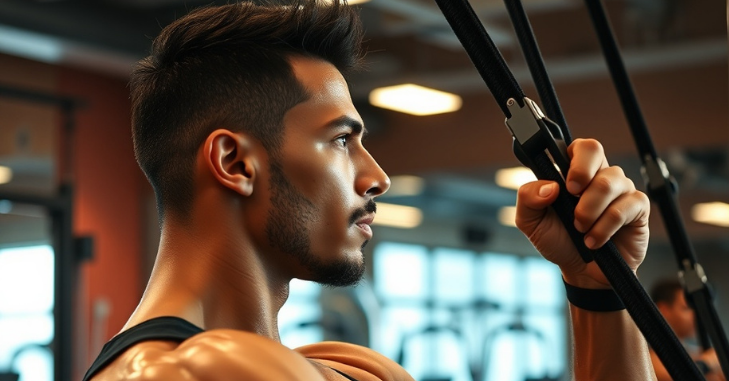
Face pulls also provide benefits that extend beyond physical appearance and performance:
- Pain Reduction: Strengthening upper back muscles alleviates chronic shoulder, neck, and upper back pain.
- Improved Mobility: Engaging posterior shoulder muscles enhances flexibility and range of motion.
- Confidence Boost: A strong, upright posture projects confidence and improves overall body mechanics.
- Longevity in Fitness: Balanced muscle development reduces joint wear and tear, allowing longer, injury-free training careers.
Recommended Face Pull Programs

For optimal results, consider these sample programming options:
- Beginner Routine: 2–3 sets of 12–15 reps, twice weekly, using a light weight or resistance band.
- Intermediate Routine: 3–4 sets of 15–20 reps, incorporating variations such as external rotation or single-arm pulls.
- Advanced Routine: 4 sets of 15–20 reps with progressive overload, combined with other upper back and rear shoulder exercises.
Conclusion
Face pulls are more than just a supplementary exercise; they are essential for building balanced shoulders, improving posture, and enhancing overall upper body strength. Consistently performing Face pulls with proper form strengthens the rear deltoids, stabilizes the shoulder joint, and promotes a strong, upright posture.
Whether you are an athlete aiming to boost performance or someone looking to prevent shoulder pain, Face pulls offer a simple yet highly effective solution. By integrating them into your fitness routine, you can transform weak shoulders into a strong back and unlock better health, mobility, and confidence.
Apart from that, if you want to know more about How a Personal Trainer Helps You Build Sustainable Fitness Habits, Boost Strength, and Stay Motivated Every Step of the Way then visit our Fitness category.
Frequently Asked Questions (FAQs)
Face pulls mainly work on the rear deltoids, rhomboids, trapezius, rotator cuff muscles, and external shoulder rotators. These muscles improve shoulder stability, posture, and upper back strength.
Generally, performing face pulls two to three times each week is enough for effective results. Focus on controlled movements and proper form rather than heavy weights to prevent injury.
Absolutely. Resistance bands are a great alternative to cable machines for home workouts. Ensure the band is anchored at eye level and maintain proper form.

