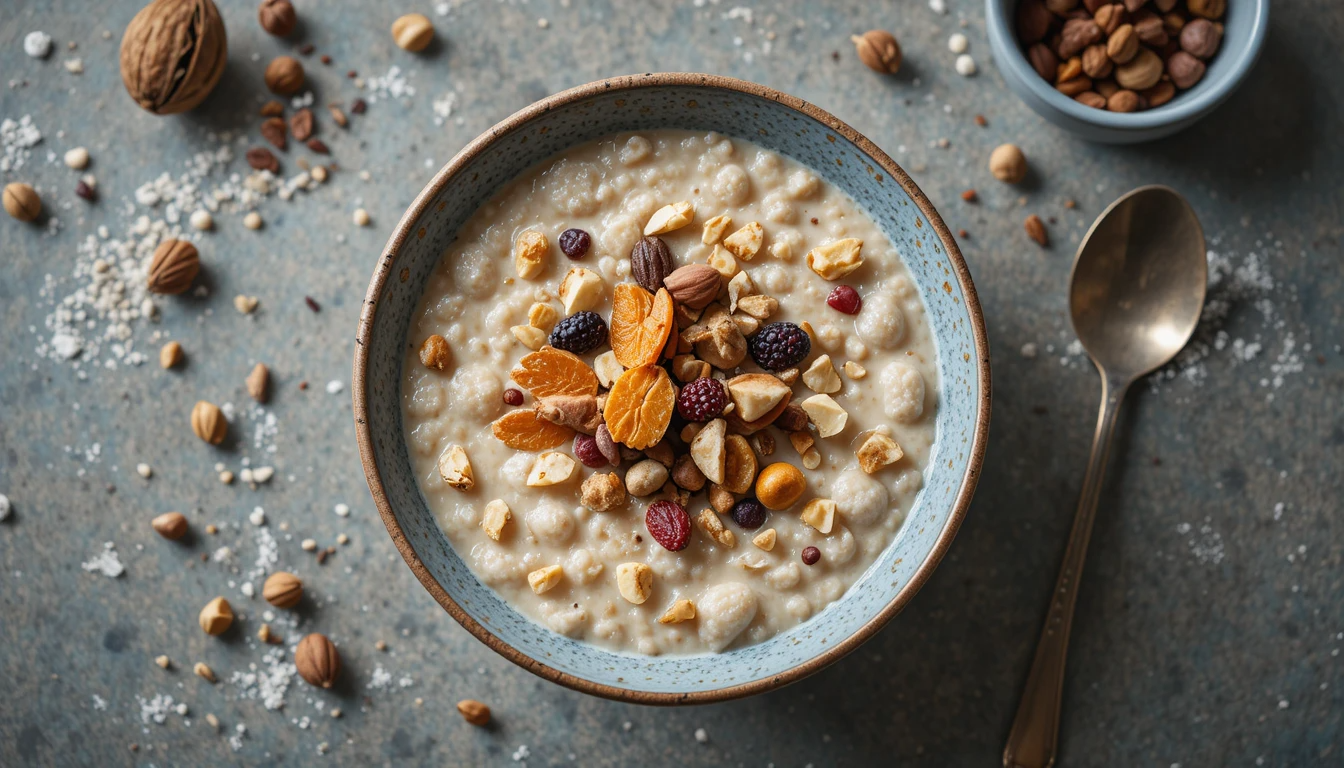
Is porridge good for you? This age-old breakfast has remained a staple in households worldwide, offering a nutrient-dense start to the day. Typically made from rolled, steel-cut, or instant oats, porridge often includes 60–70% oats, 15–20% nuts and seeds, and 10–15% dried fruits, providing a balanced mix of protein, healthy fats, and complex carbohydrates.
A 100-gram serving delivers 8–12 grams of protein, 60–65 grams of carbs, 6–10 grams of healthy fats, and 8–10 grams of fiber, along with 15–20% of iron, 20% of magnesium, and 10% of zinc. Is porridge good for you? Its vitamins B1, B2, B6, and E, combined with antioxidants and minerals, support heart health, digestion, and sustained energy, making it an enduring choice for fitness-focused and health-conscious individuals.
| Basics | Details |
| Manufacturing | Made from rolled, steel-cut oats |
| Nutritional Profile | High in protein and complex carbs |
| Vitamins | Contains B1, B2, B6, vitamin E |
| Minerals | Includes iron, magnesium, zinc |
| Digestive Health | Rich in fiber, supports digestion |
| Cholesterol Support | Soluble fiber lowers LDL cholesterol. |
| Heart Health | Potassium and magnesium maintain pressure. |
| Antioxidants | Oats and fruits protect body cells. |
| Energy Control | Slow-release carbs maintain energy. |
| Blood Sugar | Helps stabilize glucose naturally |
| Protein | 8–12 grams of plant-based protein per serving |
| Muscle Maintenance | Supports repair and workout recovery |
| Cost | £3–£8 per 500–700g pack |
| Accessibility | Store-bought or homemade options |
| Preparation | Cook with milk, water, or alternatives. |
| Lifestyle Fit | Promotes daily wellness and nutrition |
Manufacturing and Components of Porridge
Porridge is commonly made from rolled oats, steel-cut oats, or instant oats. Oats are cleaned, steamed, and flattened to create flakes suitable for cooking. Some commercial varieties include seeds, nuts, or dried fruits for added flavor and nutrition. Typically, a mixture contains 60–70% oats, 15–20% nuts and seeds, and 10–15% dried fruits, providing a balanced blend of carbohydrates, protein, and healthy fats for daily energy.
Nutritional Profile

Is porridge good for you? A 100-gram serving provides 8–12 grams of protein, 60–65 grams of complex carbohydrates, 6–10 grams of healthy fats, and 8–10 grams of dietary fiber. It also provides 15–20% of daily iron, 20% of daily magnesium, and 10% of daily zinc. Low in fat and naturally gluten-free, porridge supports muscle repair, digestion, and steady energy release for both adults and fitness enthusiasts.
Vitamins and Minerals
Oats in porridge contain essential vitamins, such as B1, B2, B6, and vitamin E, while added nuts provide healthy fats and minerals, such as calcium, phosphorus, and potassium. These nutrients support energy metabolism, immunity, and cardiovascular function. Iron and magnesium strengthen bones, maintain heart health, and promote metabolism. The combination of oats, seeds, and fruits makes porridge a nutrient-dense meal suitable for daily consumption.
Digestive Health and Fiber
Is porridge good for you? Beta-glucan fiber from oats slows digestion, reduces cholesterol, and helps regulate blood sugar. Insoluble fiber promotes bowel regularity and supports gut microbiota. Daily porridge intake improves digestion, prolongs satiety, and aids weight management. Fiber-rich porridge also stabilizes energy levels, making it an ideal choice for fitness-focused individuals or those seeking a wholesome breakfast.
Heart Health Benefits
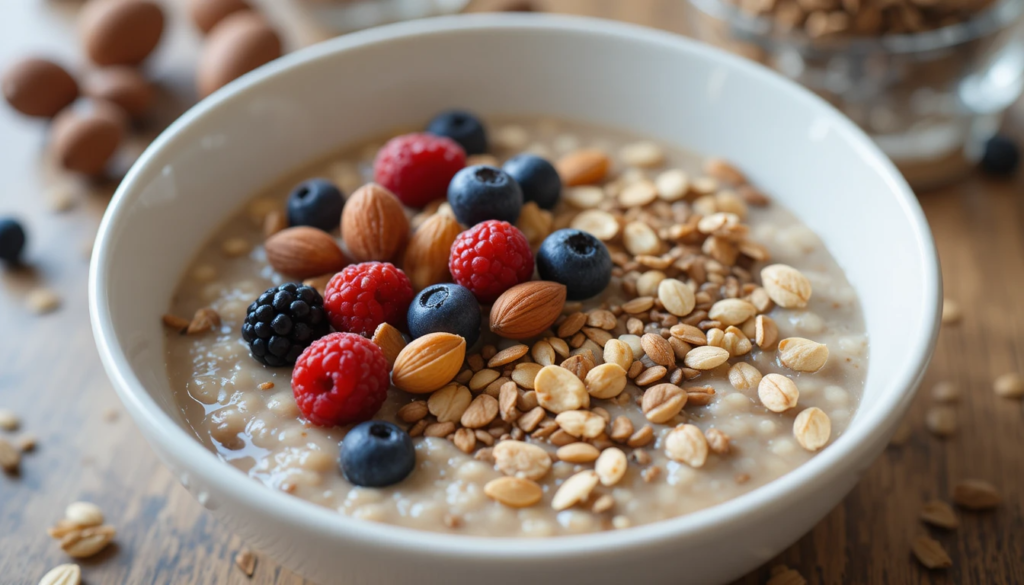
- Regular consumption of porridge can enhance cardiovascular health.
- Soluble fiber reduces LDL cholesterol, while potassium and magnesium regulate blood pressure.
- Unsaturated fats from added nuts or seeds further support heart function.
- Including antioxidants from oats and fruits protects cells and reduces inflammation.
- This makes porridge a heart-friendly, low-fat, and nutrient-dense option suitable for daily intake, supporting circulation and long-term cardiovascular wellness.
Blood Sugar and Energy Control
- Is porridge good for you? Complex carbohydrates in oats provide slow-release energy, preventing blood sugar spikes.
- Beta-glucan further stabilizes glucose absorption, enhancing energy levels and reducing cravings.
- Adding milk or yogurt increases protein content, supporting sustained energy throughout the day.
- This makes porridge suitable for diabetics, prediabetics, and active individuals who need a nutritious, low-glycemic breakfast that balances energy and supports metabolic health.
Protein and Muscle Maintenance
Each serving of porridge contains 8–12 grams of plant-based protein, essential for tissue repair and muscle maintenance. Adding seeds, nuts, or milk increases protein levels, making it a suitable option for pre- or post-workout meals. Combining carbohydrates and protein helps fuel workouts, preserve lean body mass, and aid recovery.
Cost and Accessibility
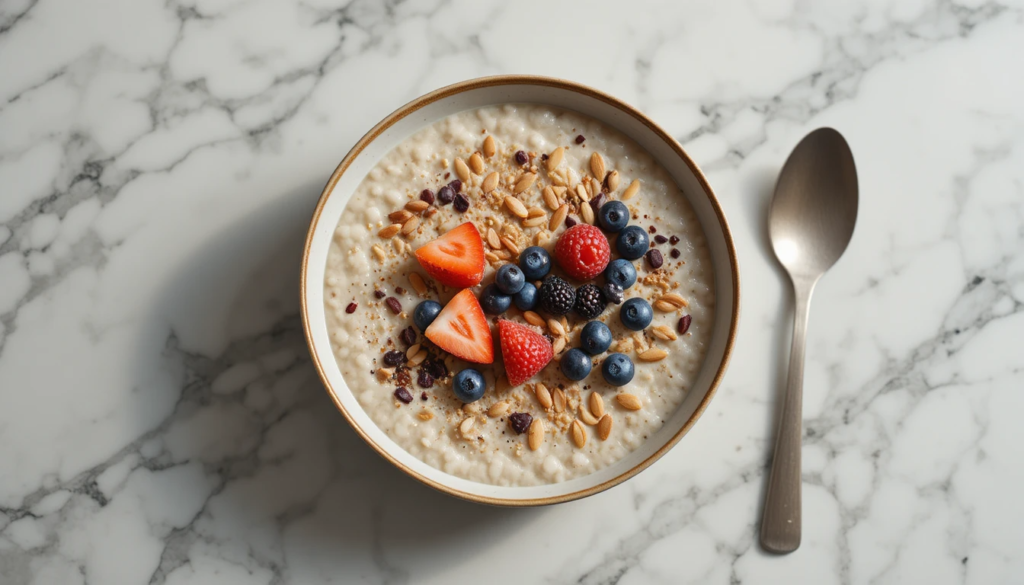
Is porridge good for you? Packaged porridge costs between £3 and £8 per 500–700 grams, depending on the brand and added ingredients. Homemade porridge is even more affordable and allows customization with fruits, seeds, or nuts without extra sugar. Its shelf-stable nature, nutrient density, and low price make porridge a convenient, budget-friendly, and highly accessible option for daily breakfast or snack meals.
Preparation and Customization
Porridge can be cooked with water, milk, or plant-based alternatives and topped with fresh fruits, nuts, or seeds for additional vitamins, minerals, and antioxidants. Avoiding added sugar or syrups preserves its health benefits. Proper preparation maintains nutrient content, supports digestion, and provides a balanced meal rich in protein, fiber, and healthy fats. Porridge is adaptable.
Is Porridge Good for You? Global Popularity and Lifestyle Fit

Is porridge good for you? Globally, porridge is a staple breakfast for health-conscious individuals. Its combination of complex carbohydrates, protein, and fiber provides sustained energy and supports digestive health. Daily consumption promotes weight management, heart health, and long-term wellness. Porridge’s versatility, ease of preparation, and nutrient-rich composition make it a practical choice.
Conclusion
In summary, is porridge good for you? Absolutely. With its combination of rolled or steel-cut oats, nuts, seeds, and dried fruits, it provides 8–12 grams of protein, 8–10 grams of fiber, and essential vitamins like B1, B2, B6, and E per serving. Minerals such as iron, magnesium, and zinc support heart health, digestion, and energy levels. Affordable, versatile, and easy to prepare, porridge remains a practical, nutrient-rich breakfast choice that promotes long-term wellness, weight management, and sustained energy for both active and health-conscious individuals.
Want to know about Is Muesli Good for Your Health? Exploring Its Comprehensive Nutritional Value, Digestive Benefits, and Role in Long-Term Wellness Check out our Fitness category.
FAQs
Rich in soluble and insoluble fiber, porridge promotes regular bowel movements, supports gut bacteria, and stabilizes blood sugar, enhancing overall digestive health and satiety throughout the day.
The beta-glucan in oats, along with magnesium, potassium, and unsaturated fats from seeds, helps lower LDL cholesterol, regulate blood pressure, and protect cardiovascular function.
High fiber and moderate protein content help maintain fullness, reduce cravings, and provide slow-release energy, making porridge a practical, low-fat option for weight-conscious individuals.
Porridge supplies B-complex vitamins, vitamin E, magnesium, iron, zinc, and phosphorus, supporting energy metabolism, immunity, bone strength, and overall daily wellness.
It can be cooked with milk, water, or plant-based alternatives and topped with fruits, nuts, or seeds, adding extra nutrients while keeping sugar content low.