Rapeseed oil, widely known as canola oil in many countries, is a staple in kitchens around the world due to its light flavor, high smoke point, and affordability. It is often praised as a healthier alternative to oils richin saturatedd fats, making it a go-to choice for cooking, baking, and frying.
Yet, questions persist, and many people wonder, “Is rapeseed oil bad?” Some critics raise concerns about its processing or fatty acid composition, while others highlight its benefits for heart health, weight management, and overall nutrition.
In this guide, we dive deep into rapeseed oil, exploring its nutritional profile, potential risks, versatile cooking uses, and what scientific research truly says about its health effects.
| Supports heart health, weight management, and overall nutrition | Details |
| Also Known As | Canola oil in many countries |
| Flavor & Texture | Light, mild flavor; neutral aroma; versatile for cooking |
| Smoke Point | High (~400°F / 204°C), suitable for frying, baking, and roasting |
| Affordability | Widely available and cost-effective |
| Health Perception | Considered a healthier alternative to oils high in saturated fats |
| Common Uses | Cooking, frying, baking, salad dressings, roasting |
| Potential Concerns | Processing methods, fatty acid composition, and erucic acid in unregulated oils |
| Health Benefits | Supports heart health, weight management, overall nutrition |
| Key Question | “Is rapeseed oil bad?” |
| Focus of Guide | Nutritional profile, risks, cooking uses, heart health, weight management, and scientific evidence |
What Is Rapeseed Oil Bad?
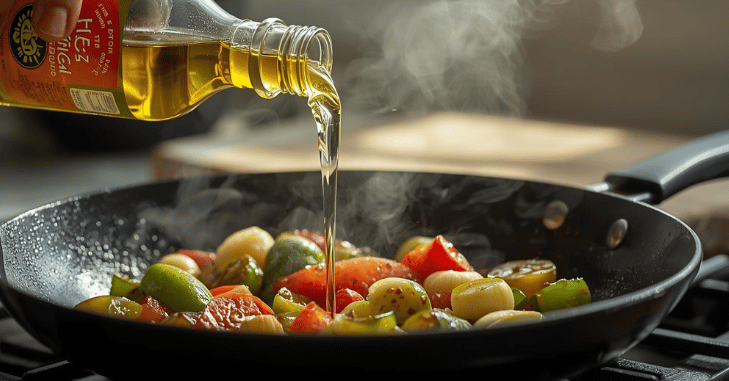
Rapeseed oil, often questioned with the concern, “Is rapeseed oil bad?” is extracted from the seeds of the rapeseed plant (Brassica napus), which belongs to the same family as mustard, cabbage, and broccoli. Its commonly used variant, canola oil, was specifically developed to contain very low levels of erucic acid, a compound that can be harmful in large amounts if consumed from unregulated sources.
Rapeseed oil is prized for its mild flavor; high smoke point (~400°F / 204°C), suitable for frying and baking; and its availability in refined, cold-pressed, and extra-virgin forms. Its light texture and neutral aroma make it highly versatile in cooking.
While some may ask, “Is rapeseed oil bad?” understanding its nutritional profile helps clarify that, when used appropriately, it can be a heart-healthy and practical addition to a balanced diet.
Nutritional Profile of Rapeseed Oil

- Monounsaturated fats (~60%): Support cardiovascular health and help reduce “bad” LDL cholesterol
- Polyunsaturated fats (~30%): Contains omega-3 (alpha-linolenic acid) and omega-6 fatty acids, essential for brain function and inflammation regulation.
- Saturated fats (~7%): Lower than many other cooking oils, beneficial for reducing cholesterol-related health risks
Health Benefits of Rapeseed Oil
Supports Heart Health
Monounsaturated fats and omega-3 fatty acids in rapeseed oil can improve cholesterol balance by lowering LDL (bad cholesterol) and raising HDL (good cholesterol) levels, supporting overall cardiovascular health.
Anti-Inflammatory Effects
The omega-3 fatty acids present in rapeseed oil help reduce inflammation, which is linked to chronic diseases such as cardiovascular disease and diabetes.
Weight Management

Rapeseed oil is lower in saturated fats compared to butter or lard, making it a healthier alternative for calorie-conscious diets. Including it in meals can help maintain a balanced fat intake while managing weight, which is an important factor to consider when evaluating is rapeseed oil bad.
Skin and Hair Health
Vitamin E in rapeseed oil acts as a powerful antioxidant, helping protect cells from oxidative damage. This supports healthy skin, hair, and overall cellular health.
Practical Tip
For maximum nutritional benefits, combine rapeseed oil with a diet rich in fruits, vegetables, and whole grains. This ensures a balance of essential nutrients alongside heart-healthy fats.
Potential Health Risks of Rapeseed Oil
- Refining Concerns: Highly refined rapeseed oils may lose some nutrients and, if overheated, could produce trans fats.
- Omega-6 Overload: While polyunsaturated fats are essential, a high omega-6 to omega-3 ratio may promote inflammation if not balanced.
- Allergic Reactions: Rarely, individuals allergic to mustard or related plants may react to rapeseed oil.
- Erucic Acid in Unregulated Oils: Homemade or unregulated rapeseed oils may contain higher erucic acid, which can be harmful in large quantities.
Recommendations to minimize risks
- Prefer cold-pressed or extra-virgin rapeseed oil
- Avoid overheating beyond its smoke point
- Balance omega-6 intake with other omega-3 sources like flaxseed, chia, or fatty fish
Cooking Uses and Tips
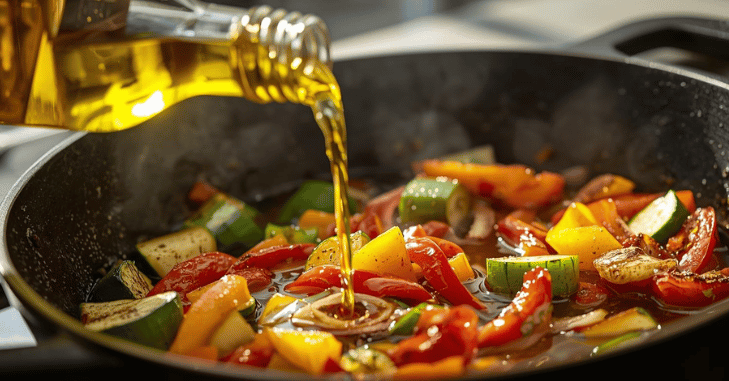
- Frying: Suitable for deep-frying or pan-frying due to its high smoke point
- Baking: Light flavor makes it ideal for cakes, muffins, and bread
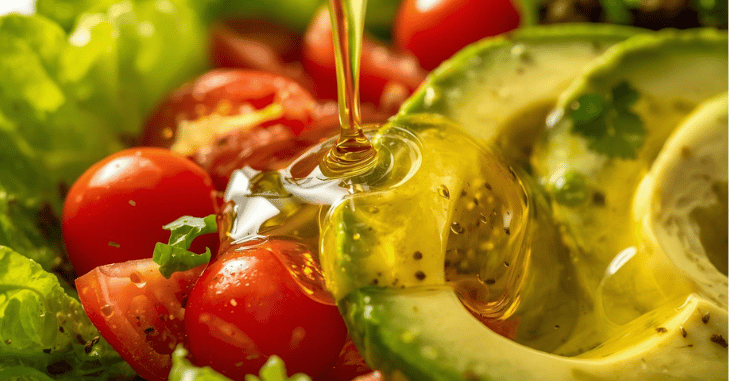
- Salad Dressings: Cold-pressed rapeseed oil enhances flavor while providing healthy fats
- Roasting Vegetables: Adds crispness without overpowering the dish
Rapeseed Oil and Heart Health
Rapeseed oil is often considered heart-healthy because of its beneficial fatty acid composition. Its monounsaturated fats can help reduce “bad” LDL cholesterol, while the omega-3 fatty acids support blood vessel health by lowering arterial inflammation. Replacing saturated fats such as butter with rapeseed oil may decrease cardiovascular risk and improve overall heart outcomes.
Scientific studies indicate that diets rich in unsaturated fats, including rapeseed oil, are associated with a reduced risk of heart disease and improved blood lipid profiles.
Rapeseed Oil Compared to Other Common Oils
| Oil | Saturated Fat | Monounsaturated Fat | Polyunsaturated Fat | Smoke Point | Best Use |
| Rapeseed (Canola) | 7% | 60% | 30% | 400°F | Frying, baking, roasting, dressings |
| Olive Oil | 14% | 73% | 11% | 375°F | Sautéing, low-heat cooking, dressings |
| Coconut Oil | 82% | 6% | 2% | 350°F | Baking, flavoring, moderate heat |
| Sunflower Oil | 10% | 20% | 66% | 440°F | Frying, baking, roasting |
Scientific Evidence on Rapeseed Oil
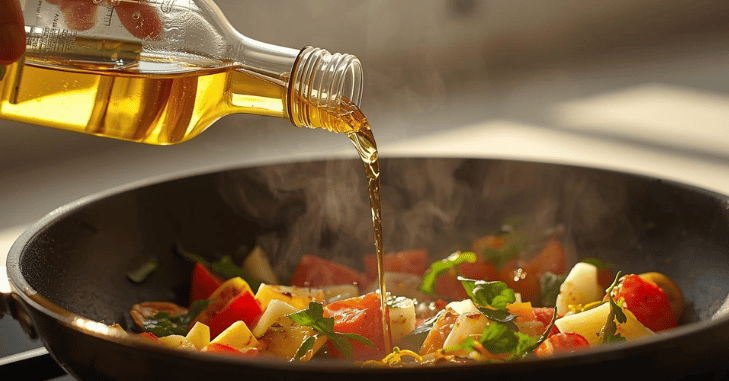
Current research generally supports moderate consumption of rapeseed oil as both safe and beneficial. Its unsaturated fats contribute to cardiovascular support by improving cholesterol levels and reducing inflammation, while the omega-3 fatty acids provide additional anti-inflammatory benefits.
Rapeseed oil’s high smoke point makes it suitable for most household cooking, but when overheated or consumed in excess, especially in highly refined forms, it can reduce nutrient quality and produce potentially harmful oxidative compounds, which is often a concern raised in discussions about Is rapeseed oil bad?
Rapeseed Oil and Weight Management
- Low Saturated Fat Content: Helps reduce calorie-dense, unhealthy fats.
- Promotes Satiety: Healthy fats keep you full longer, potentially preventing overeating.
- Cooking Versatility: Can replace butter or lard, reducing overall calorie intake without sacrificing flavor.
- Measure oil instead of pouring freely
- Combine with vegetables, whole grains, and lean proteins for balanced meals
- Rotate with other healthy oils like olive or avocado for variety
Conclusion
The evidence suggests that it is not when used correctly and in moderation. With its high content of monounsaturated and polyunsaturated fats, omega-3 fatty acids, and vitamins E and K, rapeseed oil supports heart health, reduces inflammation, and can aid in weight management.
While highly refined oils or excessive consumption may pose some risks, choosing cold-pressed or extra-virgin varieties and balancing your diet with other nutrient-rich foods can maximize their benefits.
Overall, rapeseed oil is a versatile and health-supportive option in cooking, making the common concern “Is rapeseed oil bad?” largely a misconception when applied thoughtfully in your diet.
Want to know about What Happens When You Stop Taking Mounjaro: A Comprehensive Guide to Understanding Blood Sugar Changes, Appetite, Weight Regain Check out our Fitness category.
FAQs
Rapeseed or canola oil is healthier. It is a wonderful option for cooking because it has a higher smoke point, more vitamin E, and less saturated fat.
The natural nutrients, flavor, and golden color of the oil are preserved during this procedure. Rapeseed oil that has been cold-pressed is not highly processed.
Canola is one of the popular cooking oils that has less saturated fat and more “better-for-you” fats than corn. Olive.
Canola, corn, cottonseed, soybean, sunflower, safflower, grapeseed, and rice bran oils are known as the “Hateful 8” seed oils.