A compressed air can is a simple yet powerful cleaning tool used in homes, offices, workshops, and even professional tech environments. From removing dust inside delicate electronics to cleaning hard-to-reach corners, it offers a quick, contact-free solution that saves both time and effort. You might also like Mortar Mix.
In today’s digital world, where devices like laptops, keyboards, gaming consoles, and cameras are used daily, keeping them clean is not just about appearance but also about performance and longevity. Many people underestimate how harmful dust buildups can be.
It can slow down devices, block airflow, cause overheating, and even reduce the lifespan of expensive equipment. This is where compressed air becomes essential. It allows you to clean sensitive areas without opening devices or risking physical damage.
This complete guide is designed to take you from beginner to expert level. It explains how canned food works, its real-life uses, safety precautions, common mistakes to avoid, and how to choose the best product for your needs.
Compressed Air Can Guide Table (Uses, Tips, and Safety Overview)
| Topic | Details |
|---|---|
| What is a Compressed Air Can | A pressurized can is used to blow away dust and debris |
| Common Name | Also called canned air or air duster |
| Main Purpose | Cleaning electronics and hard-to-reach areas |
| Gas Inside | Usually, difluoroethane or tetrafluoroethane |
| Safe for Electronics | Yes, if used correctly |
| Primary Use | Cleaning keyboards and laptops |
| Secondary Use | Car interior and vents cleaning |
| Cleaning Method | Non-contact dust removal |
| Key Benefit | Prevents damage to sensitive components |
| Portability | Lightweight and easy to carry |
| Nozzle Feature | Comes with a thin straw for precision |
| Spray Type | High-pressure air burst |
| Usage Style | Short controlled bursts are recommended |
| Ideal Distance | 5–10 cm from the surface |
| Safety Tip | Always keep the can upright |
| Common Mistake | Shaking the can before use |
| Risk Factor | Liquid discharge if tilted |
| Health Warning | Do not inhale the gas |
| Storage Advice | Keep in a cool, dry place |
| Heat Sensitivity | Avoid direct sunlight or high temperatures |
| Eco Concern | Disposable and not environmentally friendly |
| Alternative Option | Electric air duster |
| Reusability | Mostly single-use cans |
| Best For | Home, office, and professional cleaning |
| Buying Tip | Choose trusted brands with safety features |
What Is a Compressed Air Can?
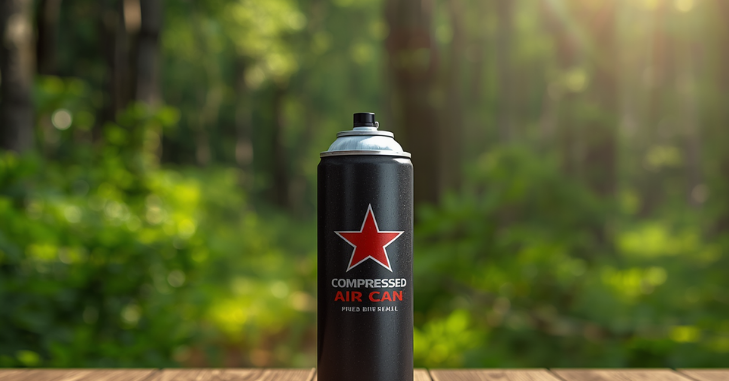
A compressed air can, also known as a “canned air” or “air duster,” is a portable container filled with pressurized gas. It releases a strong burst of air when you press the nozzle, helping remove dust, dirt, and debris from hard-to-reach areas.
Interestingly, most compressed cans do not contain actual air. Instead, they use gases like difluoroethane or tetrafluoroethane, which are safe when used correctly and provide consistent pressure.
How Does Compressed Air Work?
The working mechanism is simple yet effective. Inside the can, gas is stored under high pressure. When you press the trigger:
- The valve opens
- Pressurized gas is released
- It exits through a narrow nozzle
- This creates a powerful jet that blows away dust and particles
The thin straw attached to the nozzle helps target small areas with precision.
Top Uses of a Compressed Air Can
These are highly versatile. Here are the most common and practical uses:
1. Cleaning Electronics
You can safely clean:
- Keyboards
- Laptops
- Desktop components
- Printers
It removes dust without touching sensitive parts.
2. Car Interior Cleaning
Perfect for:
- Air vents
- Dashboard gaps
- Seat crevices
It reaches places where cloth or a vacuum cannot.
3. Camera and Lens Maintenance
Photographers use it to remove dust from:
- Camera sensors
- Lenses
- Accessories
4. Office Equipment
Useful for cleaning:
- Copiers
- Fax machines
- Cash registers
5. Household Items
You can clean:
- Window tracks
- Decorative items
- Small appliances
Benefits of Using a Compressed Air Can
Using an air can offer several advantages:
- Non-contact cleaning: Reduces risk of damage
- Quick and efficient: Saves time
- Portable: Easy to carry anywhere
- Precision cleaning: Reaches tight spaces
- No residue: Leaves surfaces clean and dry
How to Use Compressed Air Safely?
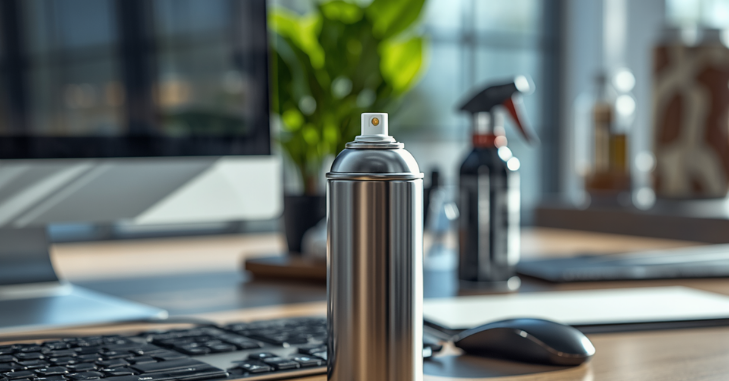
Safety is very important when using this tool. Follow these expert tips:
Keep the Can Upright
Tilting the can may cause liquid to spill instead of gas, which can damage electronics.
Use Short Bursts
Avoid continuous spraying. Short bursts give better control and prevent freezing.
Maintain Safe Distance
Keep at least 5–10 cm distance from the surface.
Work in a Ventilated Area
The gas can be harmful if inhaled in large amounts.
Turn Off Devices
Always power off electronics before cleaning.
Common Mistakes to Avoid
Many users unknowingly make mistakes that reduce effectiveness or cause damage.
Shaking the Can
This can disrupt pressure and cause liquid discharge.
Spraying Too Close
May damage delicate components.
Using on Wet Surfaces
It can create residue or freezing effects.
Ignoring Safety Instructions
Always read the label before using it.
Using for Inhalation (Very Dangerous)
This is extremely harmful and can lead to serious health risks.
Are compressed air cans safe?
Yes, air cans are safe when used correctly. However, misuse can lead to:
- Skin irritation (due to cold gas)
- Breathing issues (if inhaled improperly)
- Damage to electronics (if sprayed incorrectly)
Always follow manufacturer guidelines to avoid risks.
Environmental Impact and Alternatives
Air cans are not the most eco-friendly option because they are disposable and contain gases.
Eco-Friendly Alternatives
- Electric air dusters
- Small vacuum cleaners
- Refillable air systems
These options reduce waste and are cost-effective in the long run.
How to Choose the Best Compressed Air Can?
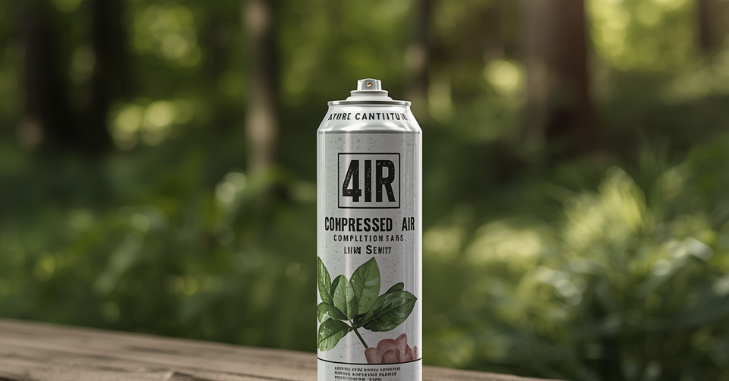
Buying the right product can significantly improve your experience. Here’s what to look for:
1. Pressure Strength
Choose a can with strong and consistent airflow.
2. Nozzle Design
Look for a precision straw for better targeting.
3. Safety Features
Some cans include trigger locks or anti-tilt mechanisms.
4. Brand Reputation
Trusted brands usually offer better quality and safety.
5. Size and Value
Larger cans last longer and offer better value.
Expert Tips for Best Results
- Clean regularly to prevent dust buildup
- Use in combination with a microfiber cloth for deep cleaning
- Store in a cool, dry place
- Avoid exposure to heat or sunlight
Conclusion
A compressed air can is a simple yet essential cleaning tool that delivers powerful results with minimal effort. From cleaning delicate electronics to maintaining household items, its versatility makes it a must-have for both personal and professional use.
However, proper usage and safety awareness are key. By avoiding common mistakes and following expert advice, you can maximize its efficiency while protecting your devices and health. If you are looking for a quick, reliable, and effective cleaning solution, a compressed air can is definitely worth considering.
Want to know about When to Deadhead Hydrangeas? Complete Guide for Healthier Blooms, Longer Flowering, and Stronger Plant Growth Check out our Home Improvement category.
Frequently Asked Questions (FAQs)
Yes, it is safe if you use short bursts and keep a proper distance.
This happens when the can is tilted or shaken.
No, it is extremely dangerous and should never be done.
It depends on usage, but typically there are several cleaning sessions.
No, most cans are single-use and disposable.