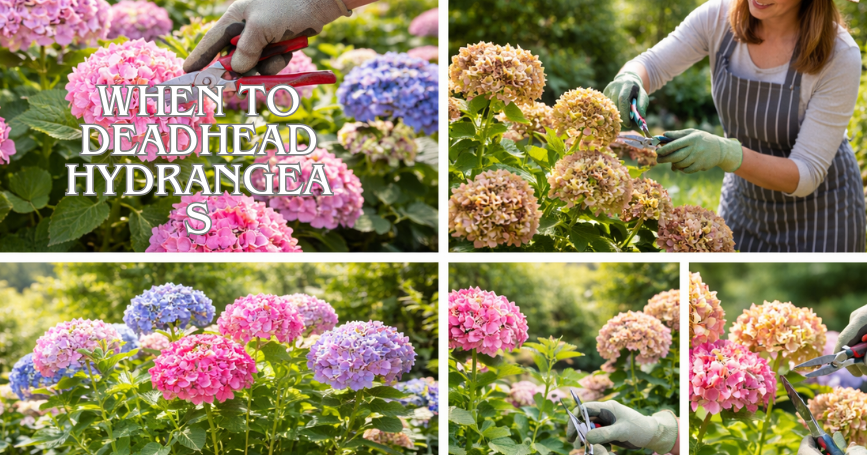
Hydrangeas are among the most visually stunning flowering plants, celebrated for their lush, colorful blooms that can instantly brighten any garden. To keep these beautiful plants thriving and looking their best throughout the growing season, proper care is essential, and knowing when to deadhead hydrangeas is one of the most important maintenance tasks.
Deadheading not only enhances the plant’s appearance but also promotes healthier growth, encourages more blooms, and extends the flowering period, ensuring your garden stays vibrant and full of life all season long.
In this complete guide, you’ll learn exactly when to deadhead hydrangeas, how to do it correctly, and how it benefits your plants in the long run.
| Blooming season: reduce the late season for winter interest | Key Points |
| Deadheading | Remove faded flowers to boost growth & blooms |
| Benefits | More flowers, longer bloom, stronger plant, tidy appearance |
| Timing | Blooming season: reduce the late season for winter interest |
| Hydrangea Types | Bigleaf: regular; panicle: optional. Smooth: aesthetic. Oakleaf: rarely |
| Steps | Identify bloom → find healthy leaves → cut above node → repeat |
| Tools | Sharp shears, gloves, disinfectant |
| Mistakes | Cutting too low, too late, dull tools, ignoring type |
When to Deadhead Hydrangeas?
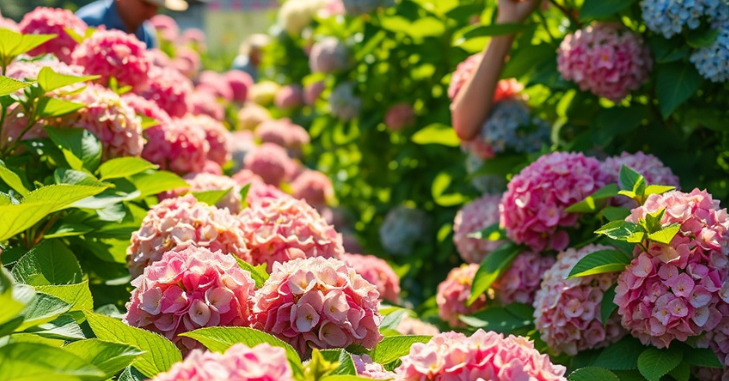
Timing is crucial when it comes to when to deadhead hydrangeas, though it isn’t a task that must follow a strict schedule. The best results come from paying attention to the plant’s blooming cycle. During the blooming season, which typically spans from late spring to early autumn, you should remove flowers as soon as they begin to fade rather than waiting until they are completely dried out.
Regular deadheading throughout this period encourages continuous flowering and keeps the plant looking fresh. As the growing season winds down from late summer to early autumn, it’s a good idea to reduce or stop deadheading.
Leaving some blooms on the plant at this time provides winter interest, protects developing buds, and helps the hydrangea prepare for dormancy.
Benefits of Deadheading Hydrangeas
Encourages More Blooms
- Extends the overall flowering season
Promotes Stronger Growth
- Redirects energy to roots and stems
- Supports healthier and more vigorous development
Prevents Seed Formation
- Conserves plant energy
- Focuses growth on blooming rather than seed production
Types of Hydrangeas and Deadheading Needs
Not all hydrangeas respond the same way to deadheading. Understanding your plant type helps you care for it more effectively and get the best results in terms of growth and flowering.
Bigleaf Hydrangeas
Bigleaf hydrangeas benefit the most from regular deadheading. Removing spent blooms encourages the plant to produce new flowers, allowing it to rebloom multiple times throughout the growing season when properly cared for.
Panicle Hydrangeas
Panicle hydrangeas do not rely heavily on deadheading for reblooming. However, removing faded flowers can improve the plant’s overall appearance and keep it looking neat and well-maintained.
Smooth Hydrangeas
Deadheading smooth hydrangeas is optional and is mainly done for aesthetic reasons. While it does not significantly impact flowering, it helps maintain a clean and attractive look in your garden.
Oakleaf Hydrangeas
Oakleaf hydrangeas rarely require deadheading. They bloom naturally and dry beautifully, adding texture and seasonal interest to your garden even after the flowering period has ended.
How to Deadhead Hydrangeas Properly?
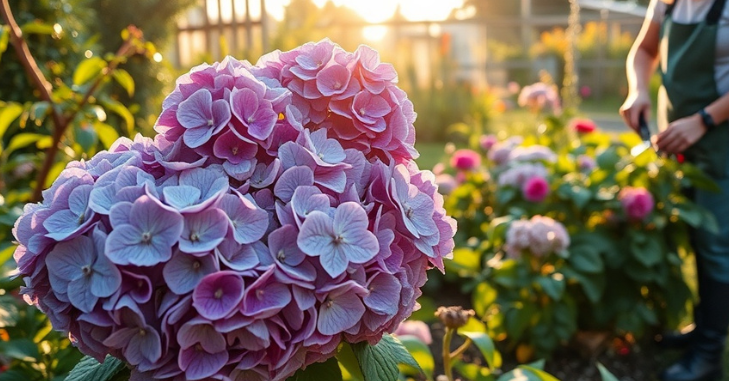
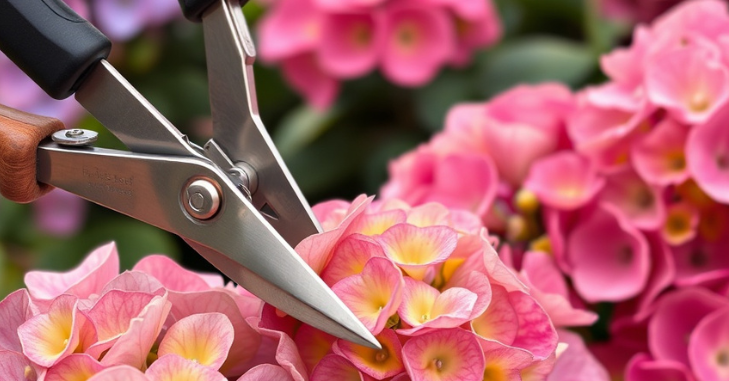
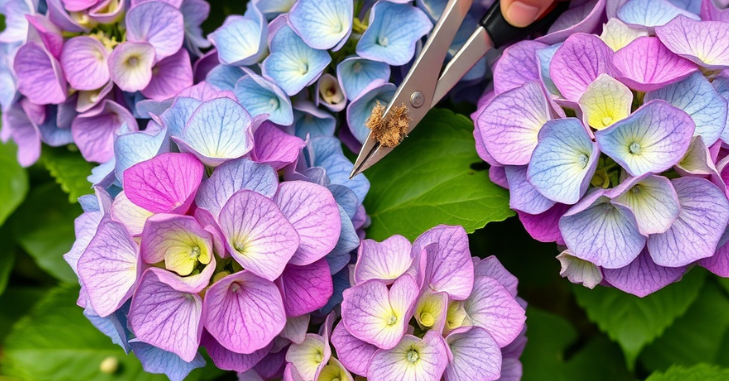
Deadheading hydrangeas is a simple process, but knowing when to deadhead hydrangeas and doing it correctly ensures the best results for healthy growth and continuous blooms. Start by identifying spent blooms, looking for flowers that are fading, browning, or wilting.
Next, follow the stem down from the flower until you locate the first set of healthy leaves, as this is where new growth is most likely to occur. Using sharp scissors or pruning shears, make a clean cut just above the leaf node to avoid damaging the plant. Repeat this process regularly throughout the blooming season to keep your hydrangeas looking fresh and encourage ongoing flowering.
Tools You’ll Need
Sharp pruning shears or scissors
Gardening gloves
Disinfectant (to clean tools and prevent disease spread)
Deadheading vs. Pruning: What’s the Difference?
Many gardeners confuse deadheading with pruning, but they serve different purposes and are performed at different times to benefit hydrangeas effectively.
Deadheading
Deadheading involves removing only spent flowers from your hydrangeas. This is done during the blooming season and helps encourage more blooms while keeping the plant looking neat and vibrant.
Pruning
Pruning, on the other hand, involves cutting back stems and branches to shape the plant and promote long-term growth. Knowing when to deadhead hydrangeas can complement pruning, which is typically done in late winter or early spring, before new growth begins, helping maintain the overall structure and health of the hydrangea.
Common Mistakes to Avoid
Cutting Too Low
This may remove potential new buds
Deadheading Too Late
Late-season deadheading may interfere with dormancy
Ignoring Plant Type
Not all hydrangeas require frequent deadheading
Understand your variety before pruning
Using Dull Tools
Can damage stems and invite disease
Always use clean, sharp tools
Tips for Healthier Hydrangeas
Deadheading is just one part of proper hydrangea care. Combining it with other essential practices helps ensure stronger growth, vibrant blooms, and overall plant health.
Watering
Keep the soil consistently moist, as hydrangeas thrive with regular hydration. Avoid overwatering, which can lead to root rot and other fungal issues.
Sunlight
Most hydrangeas prefer partial sun, ideally morning sunlight with some shade in the afternoon. Protect your plants from harsh afternoon heat to prevent wilting and stress.
Soil Quality
Use well-draining, nutrient-rich soil to support healthy root development and strong blooms. Maintain proper pH levels, as soil acidity can affect flower color in some hydrangea varieties.
Fertilizing
Apply a balanced fertilizer during the growing season to encourage vigorous growth and abundant flowering. Be careful to avoid over-fertilizing, which can harm the plant and reduce bloom quality.
Should You Always Deadhead Hydrangeas?
When You Should Deadhead
To encourage more blooms
To maintain a tidy appearance
During the peak growing season
When You Can Skip It
Late in the season
For varieties that don’t rebloom
If you prefer dried blooms for winter interest
Seasonal Deadheading Guide
Spring
Start monitoring early blooms
Remove damaged flowers
Summer
Peak deadheading period
Encourage continuous flowering
Autumn
Reduce deadheading
Prepare the plant for dormancy
Winter
No deadheading needed
Leave dried blooms for protection and aesthetics
Conclusion
Knowing when to deadhead hydrangeas is essential for maintaining healthy, vibrant plants with longer flowering periods. By carefully removing faded or wilted blooms at the right time, you redirect the plant’s energy toward producing new flowers, strengthening stems and roots, and keeping your garden looking tidy and attractive.
Combined with proper watering, sunlight, soil care, and fertilization, regular deadheading ensures your hydrangeas thrive season after season. Whether you want continuous blooms throughout summer or a well-maintained plant for aesthetic appeal, understanding when to deadhead hydrangeas is a key step in achieving a flourishing, beautiful garden.
Want to know about Small Cloakroom Ideas: A Complete Guide to Smart Designs That Maximize Space, Style, and Everyday Functionality in Compact Homes and Apartments Check out our Home Improvement category.
FAQs
using unclean instruments that can transmit illness. removing an excessive amount of nutritious vegetation
Hard pruning shouldn’t be done in the fall because of this. trimming after blooming but before mid-July in the spring or summer.
Pinch or cut off the flower stalks just before the initial set of full, healthy leaves and beneath the spent flowers as the blooms fade.
Baking soda was immediately recognized for its ability to prevent powdery mildew, enhance plant health and prolong blooms, in addition to changing color.