


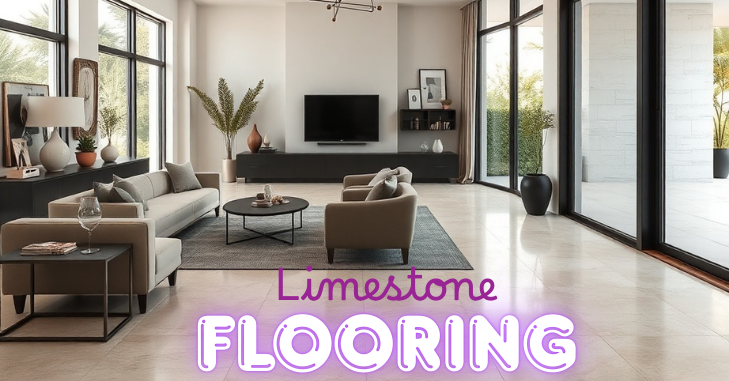
Limestone Flooring
Limestone flooring has become a popular choice for both residential and commercial spaces due to its timeless elegance, natural charm, and impressive durability. As a sedimentary stone formed over millions of years, limestone offers a unique combination of beauty and functionality that appeals to a wide range of design preferences. Available in various colors, textures, and finishes, it effortlessly complements both traditional and modern interiors.
However, like any natural material, limestone has its own set of considerations, including maintenance requirements and cost factors. Understanding its key features, benefits, and potential drawbacks can help homeowners and designers make an informed decision when choosing this versatile flooring option.
| Aspect | Summary |
| Limestone Flooring | Natural sedimentary stone flooring is known for elegance, durability, and versatility. |
| Key Features | Natural beauty, durability, versatility, thermal properties, eco-friendliness, and variety of finishes. |
| Types of Limestone Flooring | Honed (matte, indoor), Polished (glossy, low-traffic), Tumbled (rustic, slip-resistant), Brushed (textured, high-traffic). |
| Benefits | Timeless design, long-lasting, wide color range, environmentally friendly, and design flexibility. |
| Drawbacks | Porous, prone to scratches/etching, costly, color variation, and regular maintenance are needed. |
| Maintenance | Sweep/vacuum regularly, pH-neutral cleaning, sealing every 6–12 months, prompt stain cleanup. |
| Cost | $5–$20 per sq ft (excluding installation); varies by type and finish. |
| Installation | Best done by professionals; proper subfloor prep is essential. |
| Environmental Impact | Natural material; sustainability depends on sourcing practices. |
| Alternatives | Porcelain or engineered stone with a similar appearance. |
| Long-Term Value | Increases property value due to durability and timeless appeal. |
| Cultural Significance | Historically used in iconic structures worldwide, adding unique character. |
Durable Limestone Floor Solutions
Limestone flooring has gained popularity in both residential and commercial spaces due to its unique aesthetic appeal and durability. This natural stone, formed from sedimentary deposits, offers a variety of benefits but also comes with some drawbacks.
Key Features of Limestone Flooring

Natural Beauty
Limestone is well known for its range of colors and inherent beauty. Ranging from soft creams and beiges to rich grays and browns, limestone can complement various design aesthetics, from rustic to modern.
Durability
Limestone, a naturally occurring stone that is incredibly durable and able to withstand heavy foot traffic, is an excellent choice for both residential and commercial applications. When properly sealed, it can resist wear and tear for years.
Versatility
Limestone can be used in various settings, including kitchens, bathrooms, entryways, and outdoor spaces. Its versatility allows it to fit seamlessly into different design themes.
Thermal Properties
Limestone has good thermal properties, meaning it can help to keep interiors cool during hot weather. This feature makes it a popular choice in warmer climates.
Eco-Friendly
Being a natural material, limestone is considered an environmentally friendly option. Its extraction and processing have a lower environmental impact compared to synthetic flooring materials.
Variety of Finishes
Limestone can be finished in several ways, including honed, polished, and tumbled. Each finish offers a different look and texture, allowing for customization according to personal preferences.
Types of Limestone Flooring

Honed Limestone
Honed limestone has a matte finish and a smooth surface, making it suitable for indoor applications. Its non-slip surface is particularly beneficial in areas like kitchens and bathrooms.
Polished Limestone
The glossy finish of polished limestone draws attention to its veining and color. This type of flooring is more suited for low-traffic areas, as it can be more vulnerable to scratches and etching.
Tumbled Limestone
Tumbled limestone has a weathered appearance with rounded edges, providing a rustic charm. This type is slip-resistant and ideal for outdoor use or areas that require a more casual aesthetic.
Brushed Limestone
Brushed limestone has a textured surface that adds depth to the flooring. This finish is often used in high-traffic areas, providing a balance between aesthetics and practicality.
Drawbacks of Limestone Flooring

Porosity
Limestone is naturally porous, which means it can absorb liquids and stains if not properly sealed. The glossy finish of polished limestone draws attention to its veining and color.
Susceptibility to Scratches and Etching
Although durable, limestone can be scratched and etched by acidic substances, including common household cleaners, vinegar, and citrus juices. Using the right cleaning supplies requires caution.
Cost
Limestone flooring can be more expensive than other flooring options, such as ceramic or vinyl tile. Homeowners on a tight budget may be concerned about the initial outlay.
Maintenance Requirements
To maintain its beauty, limestone requires regular cleaning and resealing. This maintenance can be an inconvenience for some homeowners.
Color Variability
While the variety of colors can be a benefit, it can also present challenges. Variations in color and pattern may not match seamlessly, which can be a consideration in large installations.
Maintenance of Limestone Flooring

Regular Cleaning
Regular sweeping and vacuuming can help remove dirt and debris from the surface. For a deeper clean, use a damp mop and a pH-neutral cleaner. Avoid using harsh or acidic cleaners as they may damage the stone.
Sealing
To protect limestone from stains and moisture, sealing is essential. A high-quality stone sealer should be applied every 6 to 12 months, depending on the usage and the type of finish.
Repairing Scratches
A fine polishing compound can often be used to buff away minor scratches. Professional repair might be required for deeper scratches.
Addressing Stains Promptly
If spills occur, it’s important to clean them immediately to prevent staining and prevent the stain from spreading. Blot with a gentle cloth instead of wiping.
Avoiding Heavy Furniture
Using furniture pads under heavy items can help prevent scratches and dents in the flooring. Regularly rearranging furniture can also help minimize wear in high-traffic areas.
Additional Information
Installation
Installation of limestone flooring should be performed by professionals who understand the material’s specific requirements. Proper subfloor preparation and layout planning are crucial for a successful installation.
Cost Factors
The overall cost of limestone flooring will depend on factors such as the type of limestone, the size of the area, and installation costs. Typically, the price per square foot ranges from $5 to $20, not including installation.
Environmental Impact
Limestone is an abundant natural resource, but its extraction can impact the environment. Sustainable sourcing practices should be considered when selecting limestone for flooring.
Alternatives
For those seeking a similar aesthetic without the drawbacks of limestone, alternatives include porcelain tiles designed to mimic natural stone or engineered stone options.
Long-Term Value
Despite the initial investment, limestone can add long-term value to a property. Its timeless appeal and durability can make it a worthwhile choice for homeowners looking to enhance their space.
Cultural Significance
Limestone has historical significance in architecture and construction, being used in iconic structures such as the Great Pyramid of Giza and numerous cathedrals around the world. Its rich history adds to its appeal as a flooring option.
Conclusion
Limestone flooring is a great option for many applications because it provides a special blend of beauty, toughness, and adaptability. However, potential buyers should consider its drawbacks, such as maintenance requirements and susceptibility to staining. With proper care and attention, limestone can provide a stunning and long-lasting flooring solution that enhances the aesthetic of any space. Whether renovating a home or designing a new commercial area, limestone flooring is worth considering for its timeless elegance and natural charm.
Want to know about How to Build a Stud Wall: An Overview of Tools, Materials, Planning, Measuring the Wall, And More Information Check out our Home Improvement category.
FAQs
For those wishing to add stone that blends practicality and beauty to their interior spaces, limestone flooring is a great option because of its resilience to wear in high-traffic areas while retaining its inherent beauty.
Limestone is one of the more affordable natural stone tile options on the market, and it’s available in tons of different sizes, shapes, textures, and colors. This implies that you won’t have to shell out a lot of money to enjoy the durability and appearance of natural stone.
According to Andrew Ramsey, limestone is a great tile because of its mineral makeup, which makes it incredibly resilient and long-lasting. When cracking occurs in tiling, in my experience, it is rarely because of a poor batch or inferior tile laid during construction.
Aesthetic Appeal: Because of its organic, earthy hues, limestone has a cozy, welcoming look. 2. Softness: Because limestone is less dense than granite, it is more prone to deterioration and may need more frequent upkeep, especially in areas with heavy traffic.
Yes, when properly selected and cared for, limestone is a weather-resistant stone tile that works incredibly well in outdoor applications.

