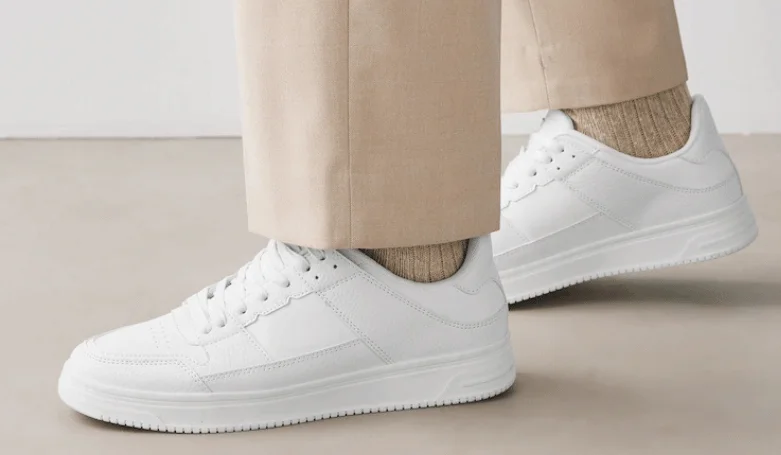
Chunky trainers remain a strong choice for anyone who likes bold footwear with practical everyday appeal. They work with relaxed denim, tailored trousers, skirts, dresses, and casual streetwear. The right pair should balance shape, comfort, color, and how you plan to wear them. You might also like Brown Trainers.
British Vogue highlighted the continued appeal of thicker silhouettes across sporty, technical, and designer footwear. UK retailers also continue stocking substantial platform and retro-inspired shapes across several price points. That makes the style more varied than the original oversized “dad shoe” trend.
Chunky trainers work best when the shoe shape feels balanced with the rest of your outfit. Neutral pairs offer the most flexibility, while technical or colorful designs create a stronger statement. Check weight, cushioning, width, and sole height before buying, because appearance alone does not determine everyday comfort.
Chunky Footwear at a Glance
| Style | Best for | Main strength | Consider before buying. |
|---|---|---|---|
| Retro runner | Daily casual wear | Easy to combine with denim | Some shapes feel bulky. |
| Platform style | Extra height and fashion-led outfits | Strong visual impact | Taller soles may feel heavier. |
| Technical runner | Walking and casual streetwear | Supportive appearance and grip | Sporty styling limits formal use. |
| Skate-inspired shoe | Y2K and relaxed outfits | Works well with loose clothing | A broad shape needs balanced proportions. |
| Minimal chunky sole | Smart-casual wardrobes | Easier to dress up | Less dramatic than maximal pairs |
Key Takeaways
- Neutral grey, cream, black, and white pairs are easiest to style.
- Retro runners suit the widest range of everyday outfits.
- Platform designs provide height but may add extra weight.
- Technical footwear works well for walking-heavy days and casual outfits.
- Fit, cushioning, and width matter more than trend status.
- Straight and relaxed trousers usually balance thicker soles well.
- One bold footwear element is often enough for a balanced outfit.
How to Choose Chunky Trainers for Your Wardrobe
Start by deciding where you will wear the shoes most often. A commuter needs different qualities from someone buying footwear mainly for nights out. Your usual trousers, skirts, and outerwear should also influence the shape you choose.
For daily wear, look for cushioning, sensible weight, and enough room around the toes. A thick sole does not automatically mean better comfort or support. Try to judge the complete construction rather than focusing on height alone.
Color is the next important decision because it determines how often you can wear the pair. Cream, grey, white, and black tend to work across more outfits. Metallics, vivid colors, and contrasting panels suit wardrobes built around simpler clothing.
Which Style Is Right for You?
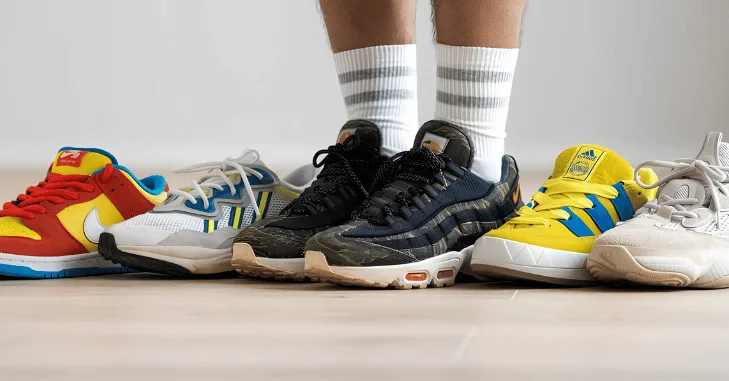
The main styles overlap, but each creates a different effect. Choosing by use case is easier than following a single fashion trend. The table below compares four common options.
| Option | Style | Versatility | Walking use | Visual impact |
|---|---|---|---|---|
| Retro runner | Sporty and nostalgic | High | Good | Medium |
| Platform pair | Fashion-led | Medium | Moderate | High |
| Technical shoe | Outdoor-inspired | Medium | High | High |
| Minimal thick sole | Clean and contemporary | High | Good | Low to medium |
Retro Runners
Retro runners are the safest starting point for most wardrobes. Their layered panels and substantial soles add interest without dominating every outfit. They also pair naturally with jeans, cargos, and relaxed trousers.
Pros
- Easy to wear frequently
- Works across several casual outfits
- Available in many neutral colorways
Cons
- Some models can look broad on smaller feet
- Heavy detailing may clash with formal clothing
Platform Styles
Platform footwear works well when height and a clear fashion statement matter most. The sole usually creates a cleaner block shape than a technical running design. That makes the style useful with dresses, skirts, and straight trousers.
Pros
- Adds noticeable height
- Creates a strong fashion-led silhouette
- Works well with simple outfits
Cons
- Tall soles can feel heavier
- Very thick platforms may reduce flexibility
Technical and Outdoor-Inspired Styles
Technical designs combine fashion with an outdoor or performance appearance. British Vogue has highlighted brands such as Salomon, Hoka, and Asics within this broader movement. These shapes suit practical wardrobes and walking-heavy days particularly well.
Pros
- Often designed around active use
- Works with cargos and functional outerwear
- Good choice for casual travel outfits
Cons
- Can look too sporty for formal settings
- Complex designs may be harder to coordinate
Minimal Thick-Sole Shoes
A cleaner thick-soled pair provides a quieter alternative to maximal footwear. It keeps some visual weight without using numerous panels or contrasting colors. This option suits people moving from slim footwear into broader shapes.
Pros
- Easy to combine with smart-casual clothing
- Less visually demanding
- Suitable for simpler wardrobes
Cons
- Offers less of a statement look
- May feel conservative beside retro styles
Our Verdict: The Best Starting Point
A neutral retro runner is the strongest all-round choice for most UK wardrobes. It works with more clothing and feels less trend-dependent than an extreme platform. Grey, cream, or mixed neutral colorways provide especially useful flexibility.
Choose a technical pair if walking comfort and outdoor styling matter more. Pick a platform design when height and visual impact are your main priorities. A cleaner thick sole is better when your wardrobe leans polished or understated.
Current UK selections from OFFICE and SCHUH show how broad the category has become. You can find understated styles alongside platforms and performance-inspired designs. Compare current prices before buying because seasonal promotions can change quickly.
7 Easy Ways to Style a Chunky Pair
1. Wear Them With Straight-Leg Jeans
Straight denim creates an easy balance between the leg shape and a substantial sole. Keep the hem near the top of the shoe rather than hiding everything. A plain knit T-shirt or sweatshirt finishes the outfit without adding unnecessary bulk.
2. Try Wide-Leg Trousers
Wide trousers can work well when the footwear remains visible below the hem. Choose enough length to create movement without dragging across the sole. A fitted top can stop the whole outfit from looking oversized.
3. Add a Cropped Jacket
Shorter outerwear helps define your proportions above a heavier shoe. A structured jacket also creates contrast with relaxed bottoms. Inkwave’s cropped trench coat guide has more ideas for building balanced, layered outfits.
4. Combine Them With a Midi Skirt
A midi skirt softens the sporty appearance of substantial footwear. Pleated, denim, and structured styles create especially clear contrast. Keep colors connected through your top, socks, or accessories for a more intentional finish.
5. Use Them in Smart-Casual Outfits
Tailored trousers can make bulky footwear feel more polished. Choose a clean colorway and keep the upper half simple. A blazer, fine knit, or crisp shirt usually works better than highly sporty layers.
6. Build a Tonal Outfit
Using related colors reduces the visual weight of a large shoe. Cream footwear with beige trousers and an off-white knit creates a calm finish. Grey shoes work similarly with charcoal, washed denim, and soft black.
7. Let the Footwear Be the Statement
Bright or heavily detailed shoes need less competition elsewhere. Keep trousers, outerwear, and accessories relatively restrained. This approach makes a bold pair look intentional instead of crowded.
What Should You Check Before Buying?
Start with fit because an attractive design becomes useless when it causes discomfort. Check whether your toes have enough space and whether your heel stays secure. Width matters particularly with layered uppers and stiff synthetic panels.
Weight deserves attention because thicker designs can vary considerably. A pair that feels fine for ten minutes may become tiring after a long shopping day. Compare both shoes in person where possible and walk naturally before deciding.
Inspect the outsole if you expect regular use through a British autumn or winter. Deep tread can provide more confidence on wet pavements than a smooth-soled fashion sole. No casual shoe removes slip risk completely, so sensible walking still matters.
Finally, consider maintenance before choosing pale suede or complex mixed materials. White and cream pairs can require more frequent cleaning during wet months. If clothing care is part of your routine, Inkwave’s steamer for clothes guide also covers useful wardrobe-care choices.
Are Expensive Pairs Worth It?
A higher price does not guarantee a better match for your feet. Premium materials, specialist construction, or established performance technology can justify extra spending. Branding alone should not decide whether a shoe is right for you.
Think about cost per wear rather than the initial price alone. A comfortable neutral pair worn three times weekly can provide better value than an expensive statement design. Your routine is the useful measure.
Pre-owned footwear can also suit shoppers searching for discontinued colorways or lower prices. Check sole wear, heel lining, and upper condition carefully before purchasing. Inkwave’s Vinted reselling guide explains useful principles for assessing and listing second-hand fashion items.
Common Styling Mistakes to Avoid
The biggest mistake is combining too many oversized elements without considering shape. Broad shoes, puddling trousers, and a huge coat can overwhelm your frame together. Varying the volume between pieces usually creates a cleaner result.
Another mistake is buying purely for appearance while ignoring comfort. Some substantial designs are heavier or firmer than expected. If you walk frequently, practical fit should carry more weight than photographs.
Avoid assuming every thick-soled shoe works for every setting. Technical pairs suit casual wardrobes better than conservative offices. Cleaner leather or minimal styles tend to transition more easily into smart-casual environments.
Frequently Asked Questions
Are chunky trainers still fashionable in the UK?
Yes, substantial footwear remains visible in current UK fashion coverage and retail ranges. Recent trends include retro runners, skate-inspired shoes and technical outdoor shapes. Slimmer footwear also remains popular, so both silhouettes now coexist rather than replacing each other.
What trousers look best with thick-soled shoes?
Straight, relaxed and wide-leg trousers usually provide the easiest visual balance. Cropped lengths can also work because they leave the footwear clearly visible. Skinny cuts create stronger contrast, which suits some outfits but feels less neutral.
Can you wear them with dresses?
Yes, especially with simple mini, midi, or shirt dresses. A substantial shoe can make a dress feel more casual and suitable for daytime. Neutral colourways are usually easier to combine with printed fabrics.
Are platform styles comfortable for walking?
Comfort varies by construction rather than sole height alone. Cushioning, flexibility, width and overall weight all affect long-distance wear. Try the pair properly if walking is a major reason for buying.
Which colour is easiest to wear?
Grey, cream, white and black are dependable choices for mixed wardrobes. Grey handles tonal outfits particularly well and often looks softer than solid black. Cream can also work across denim, earthy shades and lighter tailoring.
Final Buying Advice
Choose footwear that fits your routine before chasing the loudest design. A neutral retro runner offers the broadest styling range for most people. Technical or platform shapes make more sense when you want a specific function or stronger visual effect.
Check fit, weight, material, and outsole before making your final choice. Then consider how the pair works with clothing you already own. The most useful purchase is the one you will comfortably wear several times each week.